
茶 FIRST IMPRESSIONS
茶 REVIEW OF BOOKS & FILMS
[REVIEW] “Queering the Continent: The Many Lives of Queer Asia” by Farid Hamka
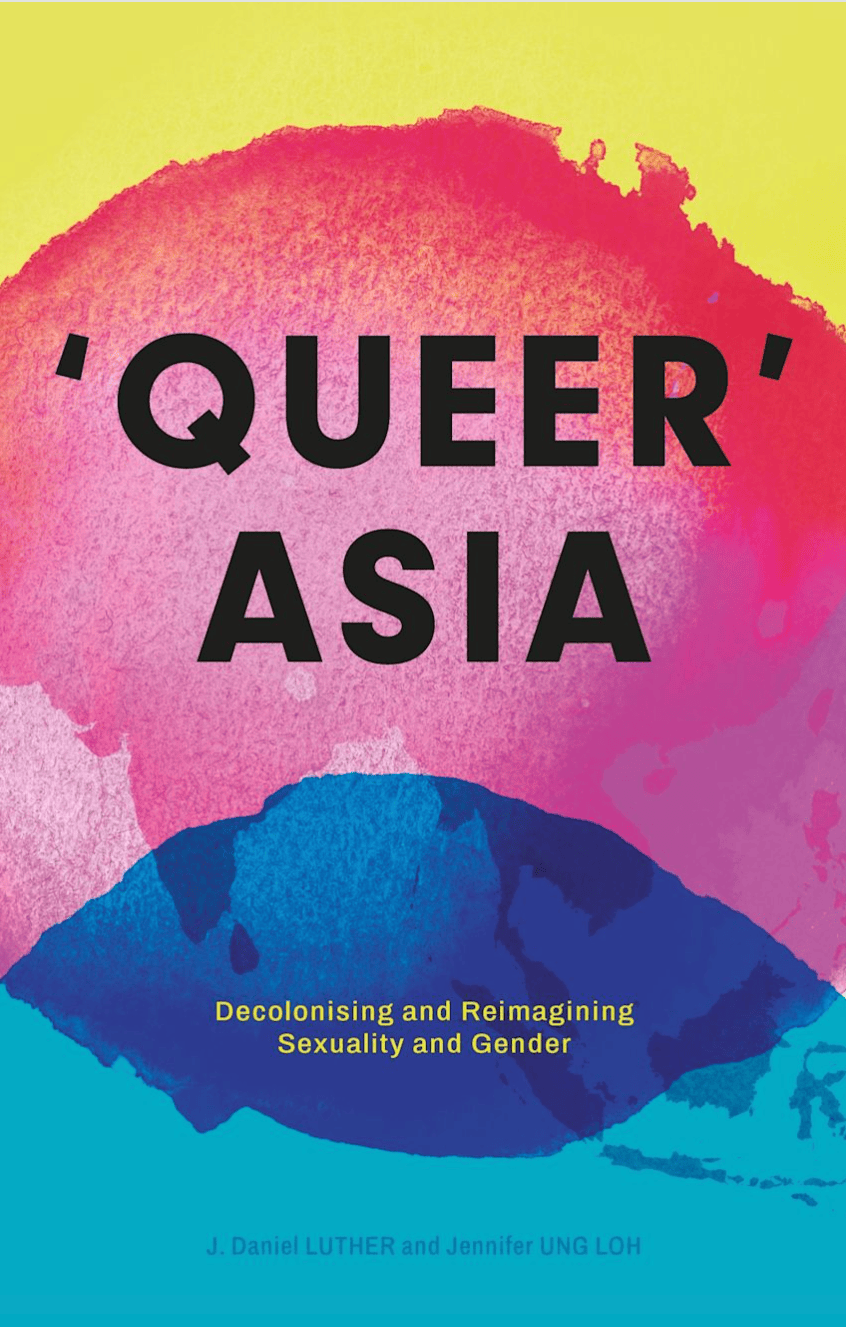
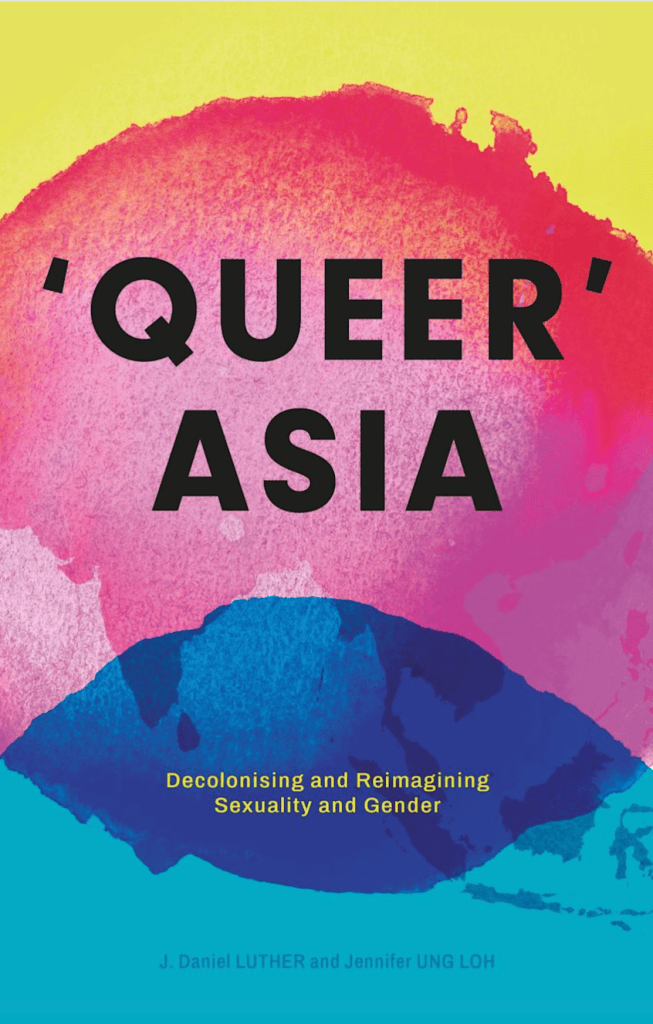
J. Daniel Luther and Jennifer Ung Loh (editors), ‘Queer’ Asia: Decolonising and Reimagining Sexuality and Gender, Zed Books, 2019. 304 pgs.

I won’t be able to summarise succinctly what queer life in Asia is like. As Indonesian queers live this year under daily terror and gaslighting, made worse by the Presidential Regulation on National Defence designating LGBT+ as a “non-military threat”, one can travel to Tokyo and celebrate their colours in the city’s queer haven, Shinjuku Nichome, which, amid the growing momentum of LGBT+ awareness across Japan, seems to be enjoying a moment of glory. This June, as I walked alongside happy families marching for Pride, I was confronted with the dismal image of my own country, where public attacks on drag queens by hooligans in the streets are posted on social media to a flurry of unsympathetic comments. It was a wake-up call, compelling me to recognise how differently queerness is lived even within a region said to share so many commonalities.
The term “Queer Asia” is ambitious. First, the study of queerness already encompasses both queer studies, which examines queer lived experiences, and queer theory, a critical lens based on the rejection of the boundaries of normality. Secondly, as an extraordinarily diverse geographical region with millennia of history, Asia contains a multitude of stories and lives, and therefore of challenges that queer people have faced throughout history. Their convergence provides a rich point of departure for anyone interested in queerness.

The thirteen chapters in the book comprise both interviews and written versions of material presented at SOAS’s Queer Asia conference. The editors offer the caveat that the anthology is not intended to be a definitive work that promises to explain every facet of queerness in Asia. Instead, they want it to act as a catalyst, stimulating conversations and research interests that may inspire further exploration of the subject.
Certainly, the knowledge presented spans numerous areas of research and draws on the work of both academic and non-academic practitioners. Several theoretical chapters will engage academically inclined readers. Ahmad Ibrahim, in “Under Empire and the Modern State: Unravelling “Queer Precarities” Inside Global Assemblages”, shows how Hijra identity has been co-opted in South Asia while elucidating the concept of queer precarities. Similarly, Gabriel Semerene’s “Mithliyy, mithlak: Language and LGBTQ Activism in Lebanon and Palestine” delves into the history of linguistic activism in Lebanon and Palestine, while Geoffrey Yeung’s “Intersex Advocacy in Chinese/Sinophone Contexts: A Primer, Accompanied by an Interview with Activist Small LUK” maps intersex advocacy in Chinese-speaking communities. Together, these chapters take us into the living histories of very different regions of Asia.
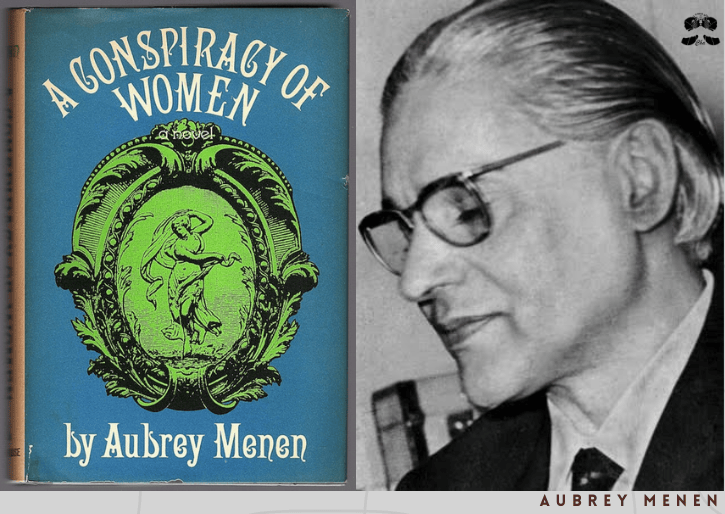
David Lunn’s examination of Aubrey Menen’s literary work in “Queer Desires and Satirised Empires: Notes on Aubrey Menen’s A Conspiracy of Women (1965)” invites a closer consideration of queerness through literary analysis. In the volume’s most theoretical chapter, “Queer Asia’s Body Without Organs: In the Making of Queer/Decolonial Politics”, Po-Han Lee discusses the concept of the Body Without Organs and asks what lies at the heart of Queer Asia. He considers how repeatedly questioning what queerness means to Asia, and what Asianness means to queer people, might help create an immanent consciousness of the subject.
Since gender and queer studies have often focused on archives and historical developments, I think some of the most interesting chapters in the volume are those concerned with media studies. Ben Murtagh’s “Reimagining HIV in Indonesian Online Media: A Discussion of Two Recent Indonesian Webseries” examines the use of web series in Indonesia as avenues for sex education and for bringing queer stories to audiences unlikely to encounter them through traditional media channels. In “Queer Objects: An Archive for the Future”, Loo Zihan draws on his experience as the curator of a censored art exhibition to imagine a fantastical future Singapore, blurring the boundaries between speculative fiction and reportage on the contemporary realities of the island nation. In “The Isolated Queer Body: Harisu’s Dodo Cosmetics Advertisement”, Kate Korroch examines a commercial featuring a transgender model in Korea, highlighting the many dimensions of gender performance and the ways in which it is employed both by the queer subject and by those seeking to capitalise on it.
All these chapters demonstrate that visibility remains a significant part of queerness. Both erasure and attention underscore the need to understand queerness and the many ways in which it manifests in what we consume each day. I find myself becoming a little more inquisitive about representations, and their absence, particularly with regard to queer existence, when I look at art and entertainment.
The risk of an anthology that seeks to encompass such breadth is much like the risk of going to a buffet: there is always the possibility that something will not quite resonate with you. Two contributions, in particular, left me with this impression: He Xiaopei’s “Rich in Desire: Sexualities and Fantasies Deriving from Poverty, Stigmatisation and Oppression”, which discusses an organisation that facilitates filmmaking centred on the lives of poor queer people, and “Interview with Alana Eissa: Trans Activism in Malaysia and the UK Asylum Process”. Both seem to arrive at relatively simple conclusions that are not examined with sufficient rigour. Without diminishing the contributors’ testimonies of precarious lived experiences, I cannot escape the feeling that the anecdotes and subjectivity presented in these contributions draw me suffocatingly close to personal pain.
Additionally, if one wishes to nitpick, one might wonder about the effects of omitting countries such as Vietnam, Thailand, and Japan, especially when many interesting cases have emerged from these countries in recent years.
Does the book deliver on its promise? I think it does. Inherent in the curation and the editors’ notes is a promise that, as we continue to deepen our interest in the subject, further research and understanding will gradually build a more complete picture of Queer Asia. Asia is a vast region, and life unfolds dynamically within each of its many communities. Queer revolutions and queer-related violence occur daily. To that end, Asia, with all its past, present, and future, will continue to be a region that merits careful examination through a queer lens.
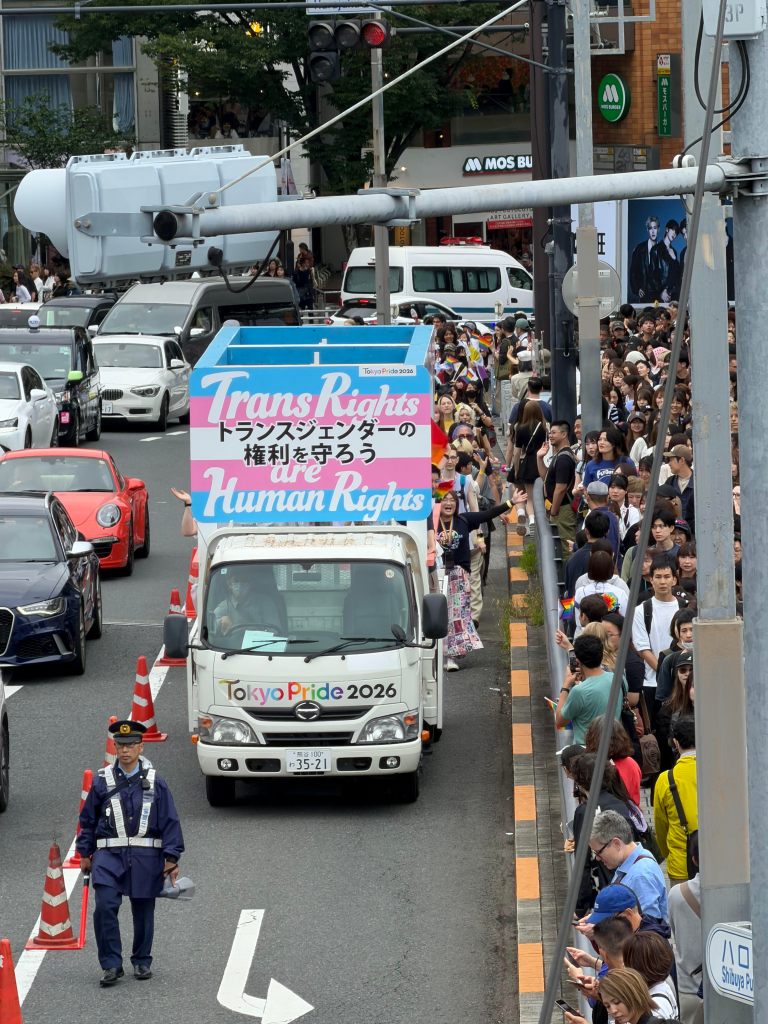
Picture of Tokyo Pride by Farid Hamka in June 2026
How to cite: Hamka, Farid. “Queering the Continent: The Many Lives of Queer Asia.” Cha: An Asian Literary Journal, 24 Sept. 2026, chajournal.com/2026/09/24/queer-asia.

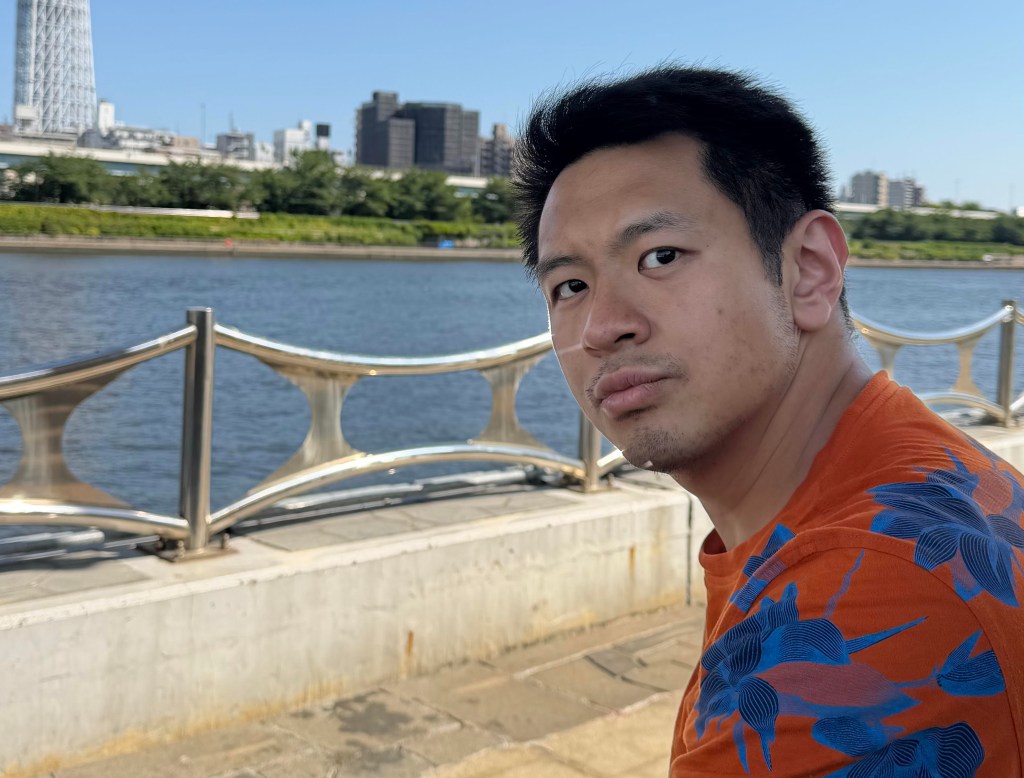

Farid Hamka is completing his MFA in Creative Writing at Kingston University. Over the past decade, his path has taken him from politics graduate to management consultant, founder of Bookhive Indonesia, and, ultimately, writer. He speaks ten languages and counting, dances in high heels, dabbles in Japanese ink art, and is obsessed with more things than he has time for. He is a graduate of Faber Academy’s Writing a Novel course and has written for The Beaver, the student newspaper of the London School of Economics and Political Science. His short story, “What Is Gnawing at the Rinds That Night”, was a runner-up in the 2025 Seán Ó Faoláin International Short Story Competition. He is currently seeking representation.

