

茶 FIRST IMPRESSIONS
茶 REVIEW OF BOOKS & FILMS
[FIRST IMPRESSIONS] “Christopher Cheung’s Very Vancouver: A City in Everyday Voices” by Raymond K. Nakamura
Christopher Cheung. Very Vancouver: Uncovering the Soul of a West Coast City, ECW Press, 2026. 328 pgs.
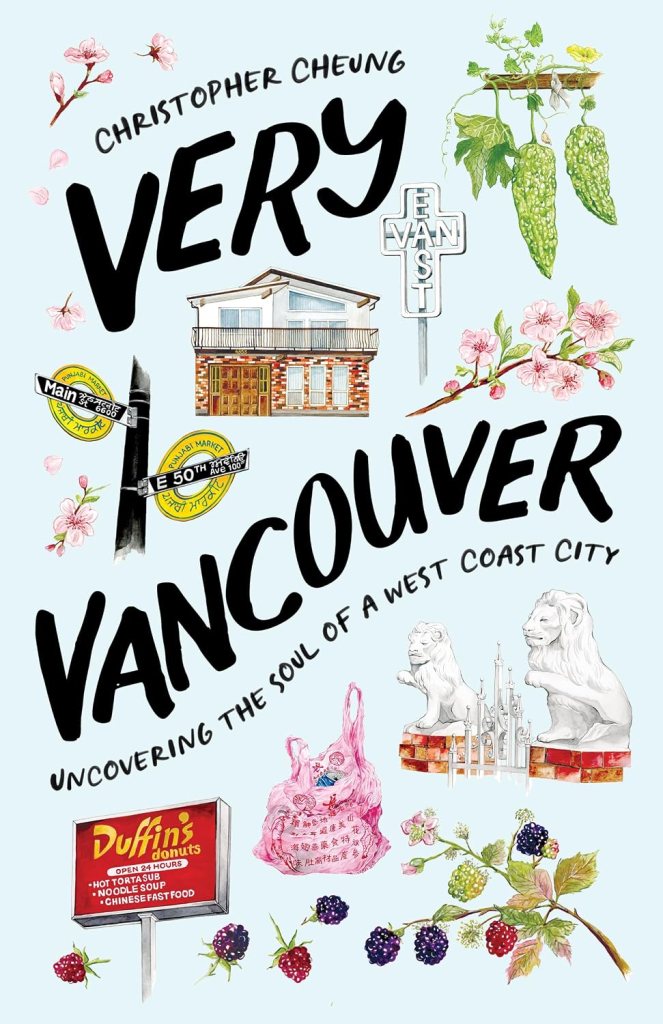
During the World Cup this year, Vancouver garnered attention as one of the finest host cities.
If you are interested in this place, beyond its breathtaking scenery, mild climate, and lively street parties, you might enjoy Very Vancouver by local journalist Christopher Cheung. As someone who has lived most of my adult life there, I found the book full of engaging stories and intriguing insights.
Consistent with the theme of his previous book, Under the White Gaze: Solving the Problem of Race and Representation in Canadian Journalism, Cheung highlights stories of people with a variety of backgrounds who might not otherwise be profiled in tourism advertisements about British Columbia.
The book features largely independent chapters that alternate between thoughtful profiles of hard-working Vancouverites and anecdotes of Cheung’s experiences as a Canadian-born Chinese who became a journalist.
Cheung focuses on interviews with everyday people, even when dealing with physical aspects of the city, such as architecture or street names. While discussing the murky architectural origins of the so-called “Vancouver Special” style of housing, he reveals the social consequences of the split-level design, particularly for immigrant families, describing a South Asian family alongside his own fond memories of playing in such houses in his neighbourhood while growing up. A heritage structure in Chinatown, originally home to entrepreneurial pioneer Yip Sang, his multiple wives, and twenty-three children, was saved by a far-sighted realtor, and the refurbished building now houses the Chinese Canadian Museum. Descendants of Yip Sang who attended a family reunion at the building shared lively recollections of growing up there. Structures such as places of worship can form the nucleus around which faithful communities develop, as in the area known as the Punjabi Market. Place names are like sociological amber, fossilising insects of historical values. In Vancouver, these mostly reflect British colonial attitudes. A recent change from the name of a particularly heinous character to one honouring local Indigenous heritage may be a sign of more inclusive thinking ahead.
Food and drink are often the most accessible and appealing entry point to cultures, and many mouth-watering stories in Very Vancouver involve food. These stories become food for thought as they relate to family journeys in the context of larger social histories, such as Cheung’s grandfather growing vegetables in his home garden, no longer tended by younger generations; the sacrifices of a Cambodian family arriving as refugees to transform a local franchise into a landmark famous for its eclectic menu; or the Baklava Man, a street vendor who turns out to be a Syrian parliamentarian forced to flee persecution. The delicious berries of the invasive plant misleadingly known as the Himalayan Blackberry lead to prickly perceptions around immigration in general.
The inclusion of Cheung’s personal experiences growing up near the divide between the working-class East Side and the more privileged West Side of Vancouver provides an authentic connection to the stories about the other residents around town. The work of Cheung’s parents, and in particular the gifts they received from clients, provided insights into the different lives of those in different areas. His father, the local pharmacist, would receive home-grown produce and other locally made products, while his mother, who taught piano to the children of wealthier “astronaut” families with at least one parent working overseas in Asia, received gifts in fancy packages from faraway places.
Cheung also shares anecdotes of his start as an intern at The Courier, a free community newspaper (which I used to receive) that shut down a few years ago, through witnessing the downsizing of mainstream papers, to his transition to working for The Tyee website (to which I subscribe), and eventually to becoming a freelance journalist and author. Cheung’s journey as a journalist navigating the disruptive transition from print to digital media becomes a meditation on the past and future of the work itself.
Though Very Vancouver focuses on one city, it shares compassionate stories of perseverance that connect the denizens of Vancouver with the rest of the world. While calling out real, systemic challenges to social justice, the book remains positive, highlighting common threads of people trying to build a place to call home.
How to cite: Nakamura, Raymond K. “Christopher Cheung’s Very Vancouver: A City in Everyday Voices.” Cha: An Asian Literary Journal, 2 Aug. 2026. chajournal.com/2026/08/02/vancouver.

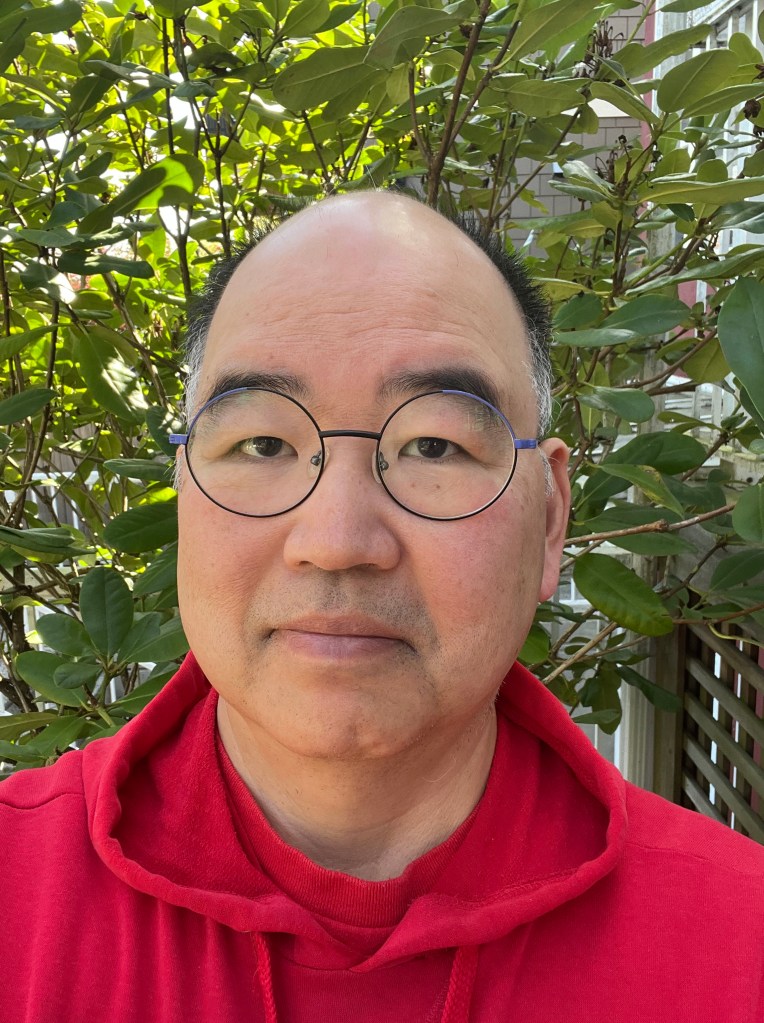
Raymond K. Nakamura is a writer, cartoonist, and educational consultant, when he is not walking the dog or washing the dishes. While reading, he enjoys drinking cha, tea, or chai. This third-generation Japanese Canadian lives in Vancouver, Canada, on the unceded traditional territories of the Musqueam, Squamish, and Tsleil-Waututh Nations, with his patient spouse, ambitious daughter, and feisty dog. He is the author of the picture book Peach Girl, published by Pajama Press, and posts daily comics on social media under @raymondsbrain. [All contributions by Raymond K. Nakamura.]
 Cha
Cha 