
📁 RETURN TO FIRST IMPRESSIONS
📁 RETURN TO CHA REVIEW OF BOOKS AND FILMS
Kōki Mitani (director), Welcome Back, Mr. McDonald, 1997. 103 min.
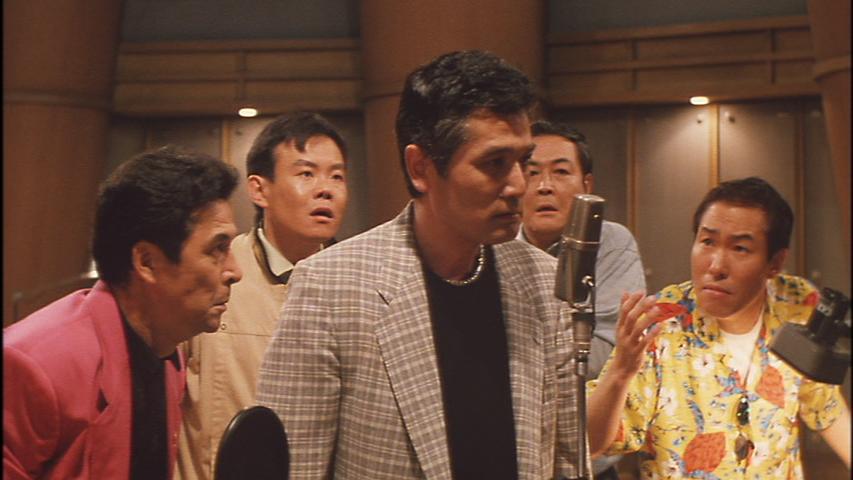
Kōki Mitani has a particular knack for satirising the Japanese inclination to avoid confrontation. As the screenwriter of The Gentle 12 (1991), he parodied Twelve Angry Men (1957) with a jury too kind to think ill of anyone. In his directorial debut, Welcome Back, Mr. McDonald, Mitani shifts his focus to the entertainment industry, exposing its tendency to sacrifice artistic integrity in favour of appeasing high-profile stars and sponsors.
Everyone is initially content with the rehearsal for A Woman of Destiny, a radio play penned by the unassuming amateur writer Miyako Suzuki (Kyōka Suzuki). However, their harmony is soon disrupted when the prima donna lead actress, Nōkka Senbon (Keiko Toda), demands that her character’s name and profession be altered—a seemingly minor request that sets off a chain of increasingly absurd events. As the producers, unwilling to assert themselves, cater to every demand, Suzuki watches in dismay as her heartfelt romantic melodrama, set on the Japanese coast, morphs into a wildly improbable space opera featuring American and German protagonists.
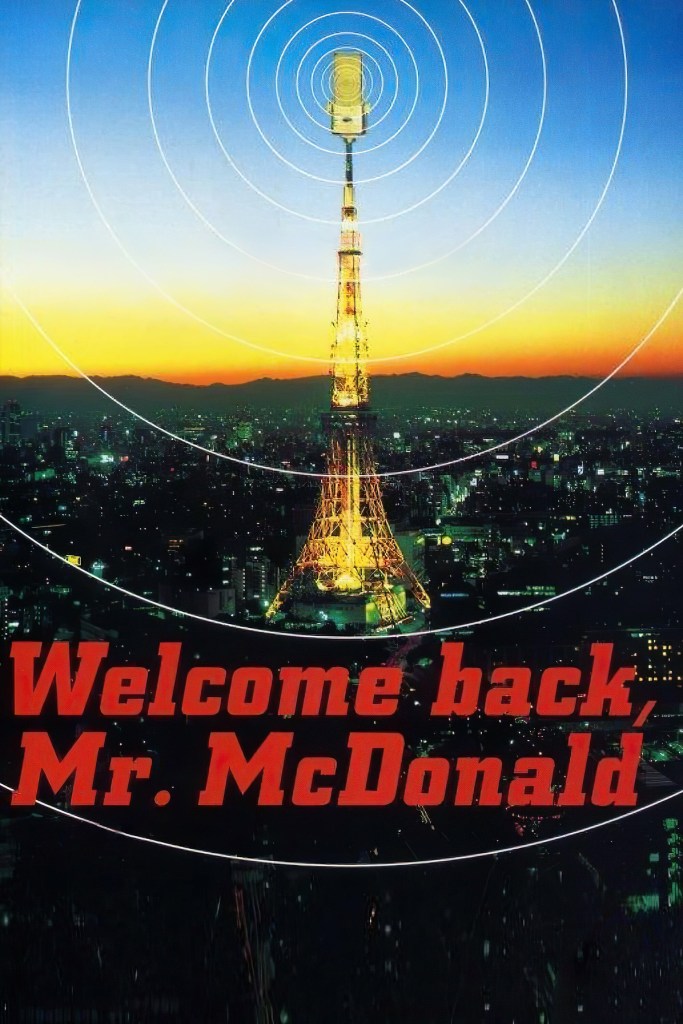
Revealing the identity of Mr. McDonald would spoil a well-crafted joke, and make no mistake—despite its lacklustre and uninspired English title, Welcome Back, Mr. McDonald is an uproarious comedy. A more faithful translation of its original title, Rajio no Jikan (Radio Time), would have been far more fitting. That said, the film’s title is its only notable flaw, and in some instances, the English subtitles even introduce additional jokes without straying from the original material.
A radio drama may not seem like the ideal setting for physical comedy, yet Mitani’s film embraces an energetic, almost slapstick approach. His adept use of long takes lends the film a seamless, real-time quality, and the comedic pacing is impeccably timed. Every actor delivers a standout performance, including those in minor supporting roles. Keep an eye out for a young Ken Watanabe in a brief yet pivotal role.
Comedy rarely thrives under excessive analysis, and so I hesitate to subject Welcome Back, Mr. McDonald to a rigorous critical breakdown. The purpose of this review is simple—to urge more viewers to discover this underrated comedic gem.
How to cite: Dutch, Jeremiah. “Japanese Comedy Cinema at Its Finest: Kōki Mitani’s Welcome Back, Mr. McDonald.” Cha: An Asian Literary Journal, 2 Feb. 2025, chajournal.blog/2025/02/02/mcdonald.



As an American who has called Japan home for over 25 years, Jeremiah Dutch’s writing crosses both cultures. He’s written about such diverse topics as horror films and climbing Mt. Fuji. While still an undergraduate, he wrote for The Haverhill (Massachusetts) Gazette and The Portsmouth (New Hampshire) Herald. In 1997, he graduated from the University of New Hampshire and moved to Japan to teach English the following year. In 2007 he earned a MS.Ed in Education from Temple University and for over seventeen years taught at the post-secondary level while continuing to write academic articles, fiction, and non-fiction. He currently teaches at Rikkyo University. In 2022, his short piece, Zen Failure in Kyoto won an Honourable Mention in the Seventh Annual Writers in Kyoto Competition. This was excerpted and adapted from his then novel-in-progress, Gaijin House. Another adapted excerpt was published this year under the name “Transported Souls in the Motel of Regret” in the anthology Mono no Aware: Stories on the Fleeting Nature of Beauty. These days he calls Yokohama home and lives there with his wife and two daughters. When not writing, teaching, or spending time with his family, he enjoys reading, exercising, and following baseball. Some more information about Jeremiah and his writing can be found on his website and Instagram. [All contributions by Jeremiah Dutch.]
 Cha
Cha 