
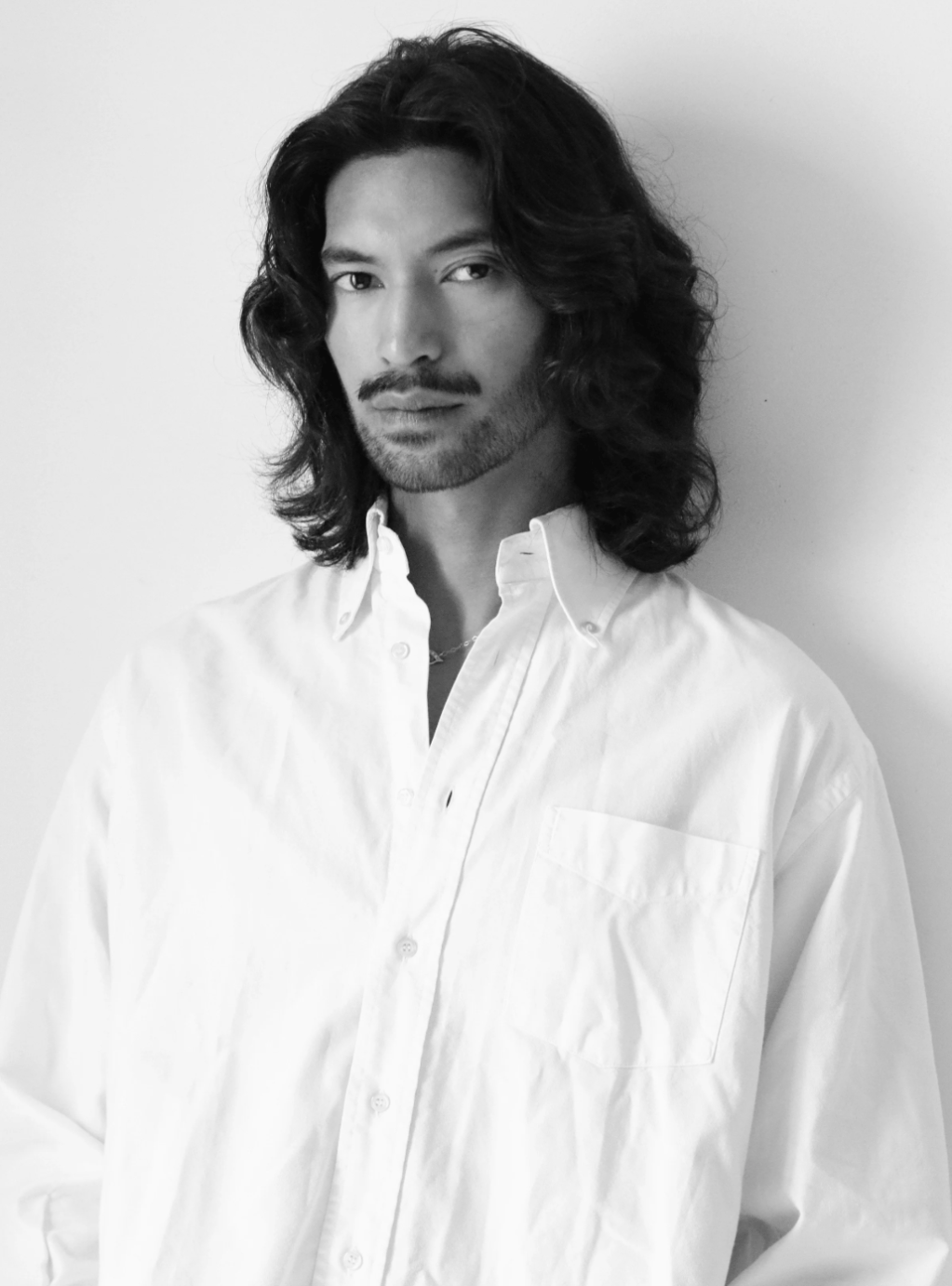
[ESSAY] “Richie Nath: Queer Art, Exile and the Burmese Diaspora” by Charlotte Marie Chadwick
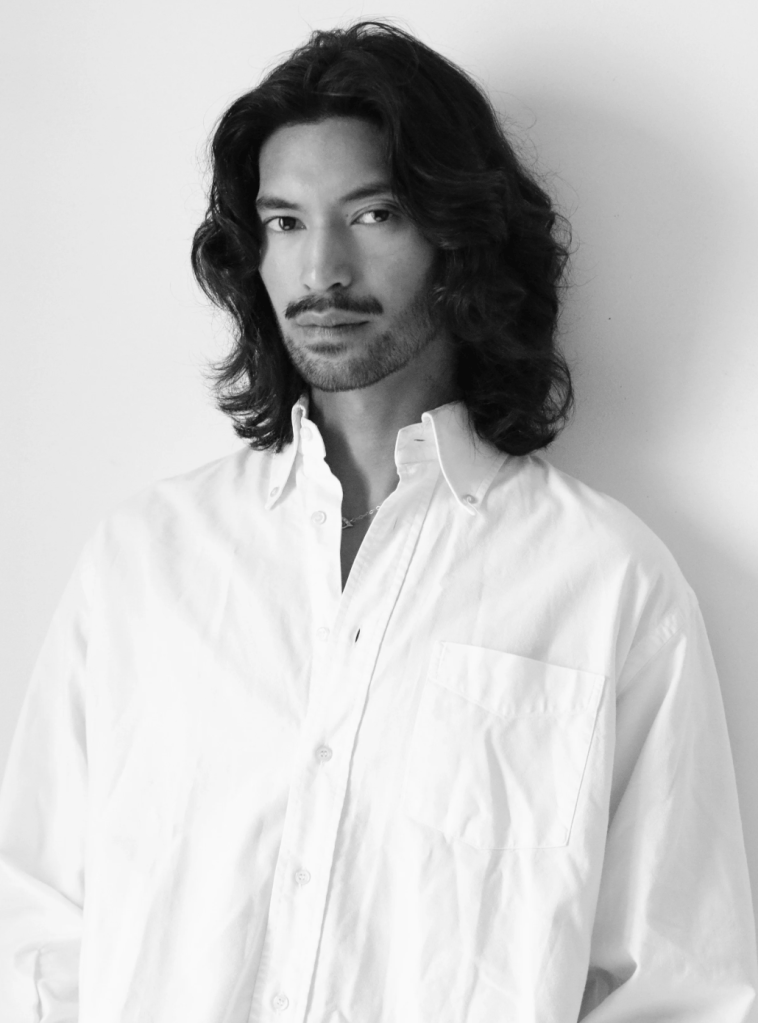
Richie Nath
Editor’s note: Selected images from Richie Nath’s Paris exhibition, “An Oyster Without a Pearl” (Thursday 7 May 2026 to Wednesday 17 June 2026), can be found at the end of the essay. Charlotte Marie Chadwick and Cha would like to thank Galerie Bao for granting permission to reproduce the images in this essay and for its generosity.

Richie Nath is a Burmese artist attracting increasing global attention, with 15,000 followers on Instagram, a profile in Vogue India, and a recent exhibition at Galerie Bao in Paris. Yet the eroticism and lyricism of Nath’s work stand in stark contrast to the images of military and monks around which representations of Myanmar are often centred. Nath’s paintings draw playfully on the mythology of his heritage, while his savvy negotiation of cultural flows and personal identity exemplifies a new wave of Burmese artists who continue to represent Burma from the diaspora.
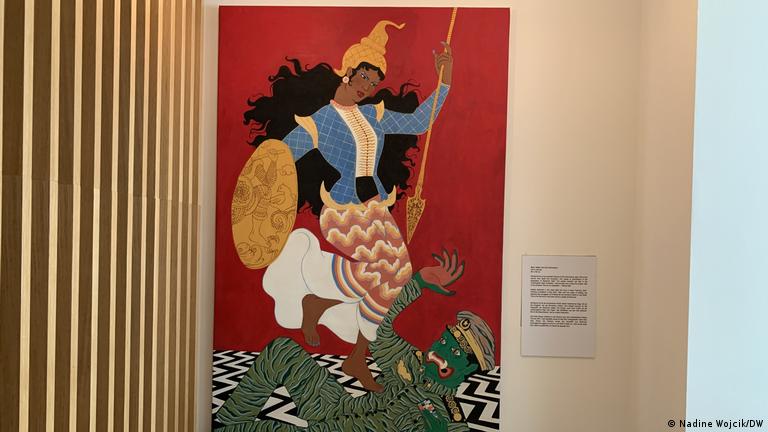
“Bitch Better Have My Democracy”, painted soon after Myanmar’s military coup in February 2021. This protest movement image was smuggled out of Myanmar for the Berlin exhibition. Image: Nadine Wojcik/DW (Via).
Nath first appeared in my feed shortly after the 2021 military coup in Myanmar, with his viral piece “Bitch Better Have My Democracy”. The painting, which had to be smuggled out of Myanmar, juxtaposes traditional Burmese motifs with pop culture. The title references Rihanna’s 2015 hit “Bitch Better Have My Money”. The Bamar motherland is personified through a formidable feminine character, Ma Bama Pyi (မာဗမာပြည်). Ma Bama Pyi boasts a curvaceous figure which, as Nath describes, is “reminiscent of the geography of Myanmar itself”, and her name means something akin to “Miss Myanmar”. Resplendent in traditional royal headwear, Sibone (စည်းပုံ), Ma Bama Pyi enacts vengeance upon a Belu (ဘီလူ, an ogre-like figure from Burmese mythology), who cowers at her feet dressed as one of the military generals who enacted the coup.
Since the coup, Myanmar’s junta has returned to the restrictive moral codes of yesteryear. A doctor with an OnlyFans account was charged with “harming culture and dignity” and sentenced to six years in prison,1 while a beauty contestant who “insulted Buddhism” by donning a Buddhist nun’s outfit was also threatened with imprisonment. However, while censorship relaxed in the decade preceding the coup, during Myanmar’s so-called “transition to democracy” from 2011 to 2021, elements of the status quo remained beyond critique. Citizens were still subject to harsh restrictions when criticising authority figures. The youth satirical performance group Peacock Generation were sentenced to a year in prison for mocking the military, and Maung Sangkha served six months in jail for writing a poem about having an imaginary tattoo of former president Thein Sein on his penis. The government also “innovatively” combined attempts to discipline women’s sexuality with a growing wave of Islamophobia2 by introducing laws to “protect” Buddhism by preventing interreligious marriage.
Still, during the 2011 to 2021 transition period, gender and sexual minorities experienced increased freedom, as Burmese LGBT activists3 became newly visible in the country. The LGBT organisation Colors Rainbow shifted its base from Chiang Mai, Thailand, to Yangon and Dawei, Myanmar, while Yangon Pride expanded from a small, private event in 2012 to a public celebration in a downtown park in 2018.4
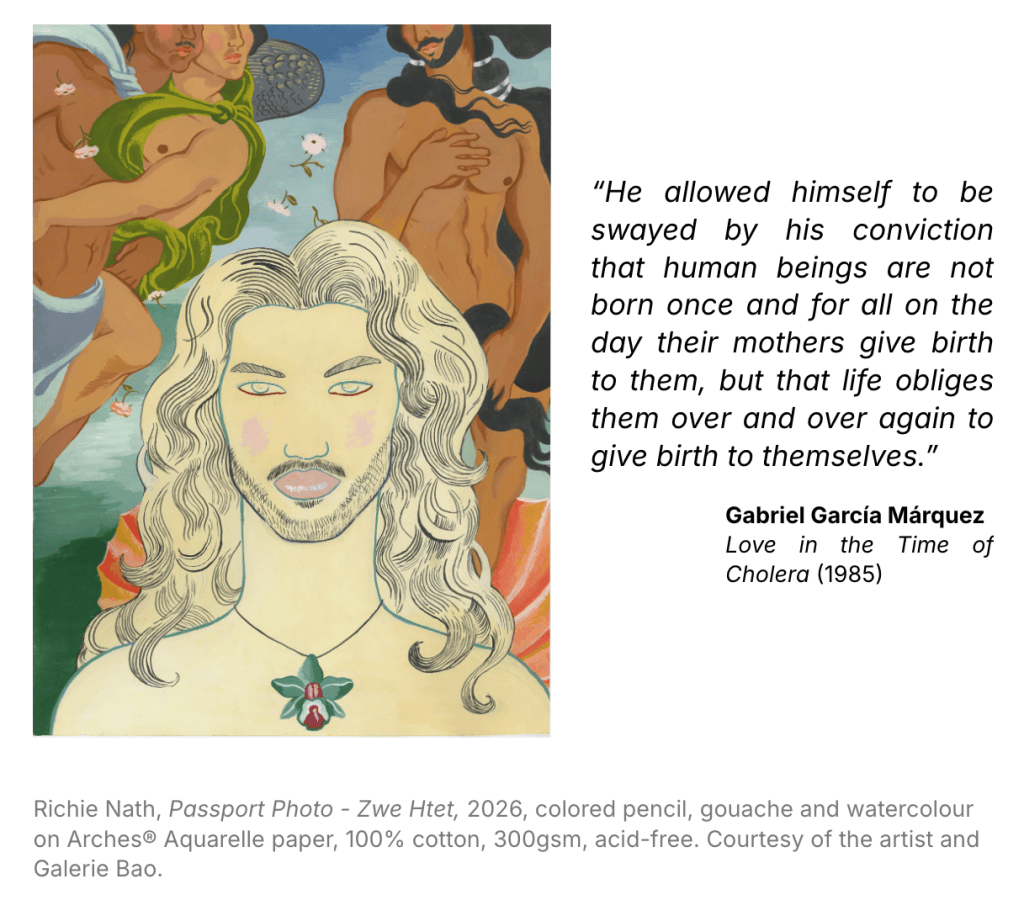
Things have changed since the coup. Nath is now based in Paris, where his recent solo exhibition, “An Oyster Without a Pearl” (Thursday 7 May 2026 — Wednesday 17 June 2026), was held at a French gallery specialising in Southeast Asian art. Nath’s exile echoes that of thousands of young people who have fled Myanmar since 2021.5 With remittances representing a significant proportion of the economy, it was already common for Burmese people of working age to be based in neighbouring countries such as Thailand and Singapore. But since the economic and social destruction wrought by the coup and the subsequent introduction of mandatory military conscription, young people have fled Myanmar in unprecedented numbers. The ability of Nath and others of his social class to study abroad, and to leave at all, reflects a certain degree of privilege and luck. The cost of reaching Europe and surviving while claiming asylum means that it remains an option inaccessible to many Burmese people. Others who have been blacklisted by the junta for participating in widespread peaceful protests, such as the civil disobedience movement (CDM), cannot risk passing through an airport for fear of arrest. “An Oyster Without a Pearl” explores the guilt and shame associated with Nath’s refugee status, conveying his feelings of regret and imposter syndrome and his experience as an outsider in Paris.
When his painting “Bitch Better Have My Democracy” emerged on post-coup social media in 2021, Nath had just finished studying fashion illustration in London and had garnered some attention with his exhibition at Yangon’s Myanm/art in 2020 under the name Richie Htet. “Bitch Better Have My Democracy” was notable for capturing something of the humorous and playful tone of those early mass pro-democracy protests: people wore costumes, held signs based on memes, and pretended to tie their shoes or drop shallots to keep traffic gridlocked. The piece functioned both as a threat and as wish fulfilment, speaking to the outrage provoked by the military’s flagrant violation of international law.
Ma Bama Pyi has darker skin and curlier hair than is typical among Burmese people from the Bamar ethnic majority for whom she is named,6 which is noteworthy in light of Nath’s broader mobilisation of “Indian” imagery alongside “Burmese” traditions. This reflects his own ethnicity as half-Indian and half-Burmese. The Bamar/Burman ethnic majority have dominated Myanmar since 1947, reneging on promises made to other ethnic minorities during the Panglong Agreement at the time of the country’s formation, while descendants of Chinese or Indian migrants are excluded from citizenship.
My conversation with Nath over Zoom earlier this year began with a discussion of the place of identity in his work. As Nath acknowledges, artists may be encouraged to explore their personal identities by the need to satisfy grant-awarding bodies, whose requirements are often structured around categories of identity. Yet, as Nath mentions, outsiders tend to have little awareness of internal Bamar cultural hegemony, so the ramifications of his ethnicity play out differently depending on location. “I don’t look Burmese. So, in Myanmar they would question my identity, like, are you sure you’re Burmese? Whereas in the West it’s just like: Oh, okay! Because of that lack of knowledge, they’re like… ‘brown, exotic, of course he’s from Burma’.”
But Nath’s interest in cross-cultural flows is not restricted to his own identity. “I like that intersection between two different cultures,” he says, “how cultures borrow and exchange motifs, and ‘make it their own’.” Nath gives Cupid as an example of how these flows are never unidirectional. Although Cupid is originally a Greco-Roman figure, Nath points out that he has also been a recurring motif within traditional Burmese art. He cites the Ramayana, too, as an important source of inspiration, and notes that this set of tales came to Myanmar not directly from India, as might be expected, but from the courts of Thailand.
While Nath’s work emphasises Burmese and Indian motifs and stories, these operate within a plethora of influences and inspirations. He names several, including Tom of Finland, David Hockney, Botticelli and Andy Warhol, along with a recent fascination with the Japanese ukiyo-e (“floating world”) genre. These influences are evident in Nath’s ebullient colours, as well as in the queer eroticism and borderline camp aesthetic he deploys. Although his artistic trajectory appears to unfold intuitively, following, as he puts it, “the stories that I like, plus the visual language that I like”, Nath’s London art education shows in his readiness to articulate his arguments for making art on his own terms.
Nath describes his visual language as similar to illustration, while questioning what he calls the stigma surrounding illustration in fine art. Pointing to the ambiguous status of Renaissance cartoons, full-scale preparatory drawings for frescoes, and the comic-influenced work of the celebrated fine artist Christina Ramberg, Nath underlines the arbitrary nature of distinctions between highbrow and lowbrow art. “It’s also the intention behind it,” he declares. A given work may superficially resemble illustration, but “I’m doing it as a fine art piece.” Nath also questions what he deems an undue emphasis on originality in fine art. “All art is derivative,” he states. “This is something that I really believe in.” I mention cultural differences surrounding copyright in Myanmar and traditional styles of art education that include copying. Nath is enthusiastic: “I love copying. If I like something, I copy it. I want to know how that person does it. Also, the moment you copy or paint something yourself, it already changes.”
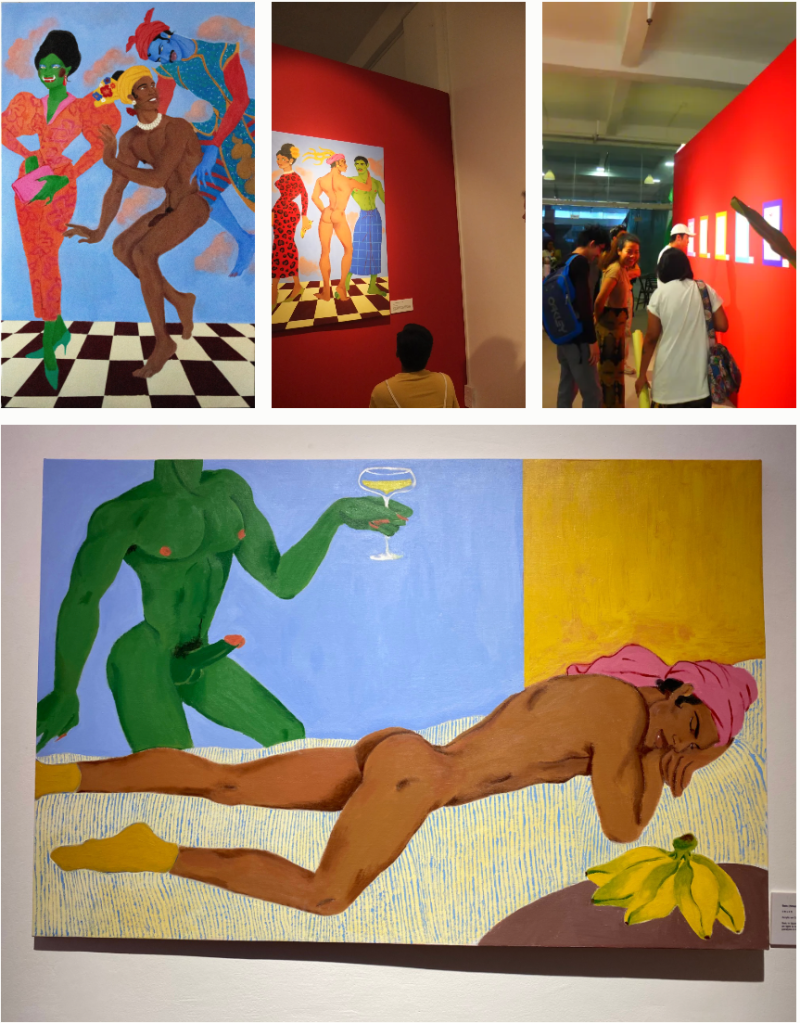
A Chauk: A Solo Exhibition By Richie Htet
In addition to concepts of ethnicity and nationality, Nath’s work is shaped by his queer identity. Nath’s first show in Myanmar was held in 2020 at Myanm/art gallery and was titled A Chauk. Nath and his friends are among those who reclaim this slur for gay men, but nonetheless, he says, “I can always hear the venom when someone says that.” The title reflects the centrality of queer eroticism in Nath’s work, and I wonder how such boldness was received. I recall that when I was in Myanmar, I was surprised to learn that the taboo surrounding nudity is such that even tertiary art education does not include life drawing. “Yes, it’s conservative like that,” Nath nods. Yet he is keen to emphasise that his openly erotic work did not receive negative reactions within Myanmar. Quite the opposite. Nath says that Burmese people are unlikely to express moral opposition to someone who is not a family member. “There is a lot of judging that happens… but they don’t care that much if they don’t know you.” Nath also thinks that his work escaped critique because art is less valued than, say, literature in contemporary Myanmar. Moreover, Nath states that in Burmese culture, the cis-male body is not sexualised as other types of bodies are. In line with the discussions of numerous scholars who have detailed various ramifications of Myanmar’s patriarchal hierarchies, Nath concludes that in painting, male nudity is less provocative. “We would notice it a lot more if it were a Westerner or a woman who is half naked.”
Finally, another determining factor in the positive Burmese reception of Nath’s work was the timing. It was shown in 2020, just before the coup. During the transition to democracy, people in Myanmar demonstrated an enormous appetite for pushing existing boundaries and learning about the rest of the world, which had been closed off to them for decades. “People were more open then,” says Nath. Describing his contemporary queer identity, Nath says, “I surround myself with creative queer/trans Burmese people, but outside of that it’s very limited.” The change from the optimistic era of Nath’s artistic beginnings is evident in the way Nath’s interrogation of his own identity is now framed within this rapidly expanding, largely digitally mediated diaspora.
The immediate bloody aftermath of the coup made international headlines, but over time, media attention moved on. Yet as Burmese artists continue to be affected by the ongoing political turbulence, they continue to engage with it through their work. Nath’s recent work underlines the less obvious fallout of the political situation. He reminds us that five years after the coup in Myanmar, the suffering continues both within Myanmar and among the Burmese diaspora. Despite Nath’s bright colours, the survivor’s guilt he depicts suggests that the painful repercussions of the coup will not fade anytime soon.
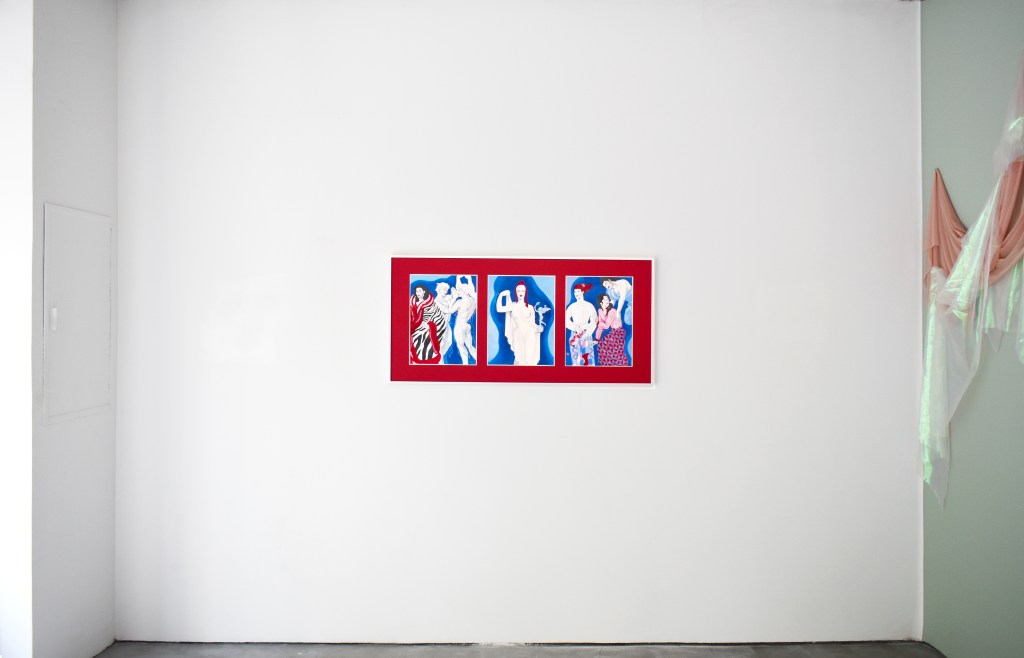
Richie Nath, An Oyster Without A Pear exhibition view
Photo by Galerie Bao
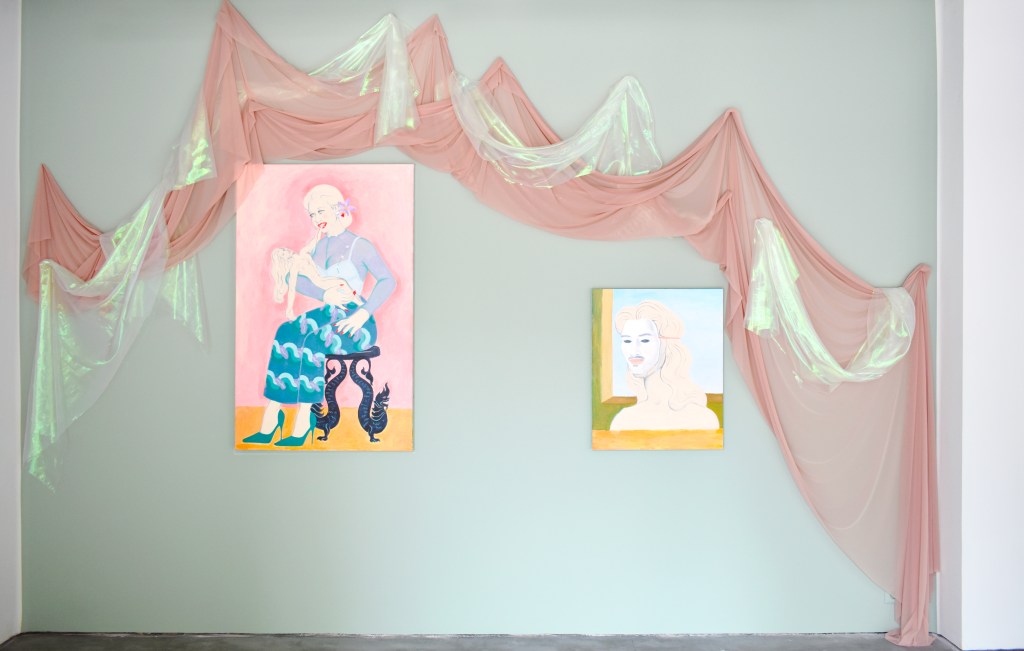
Richie Nath, An Oyster Without A Pear exhibition view
Photo by Galerie Bao
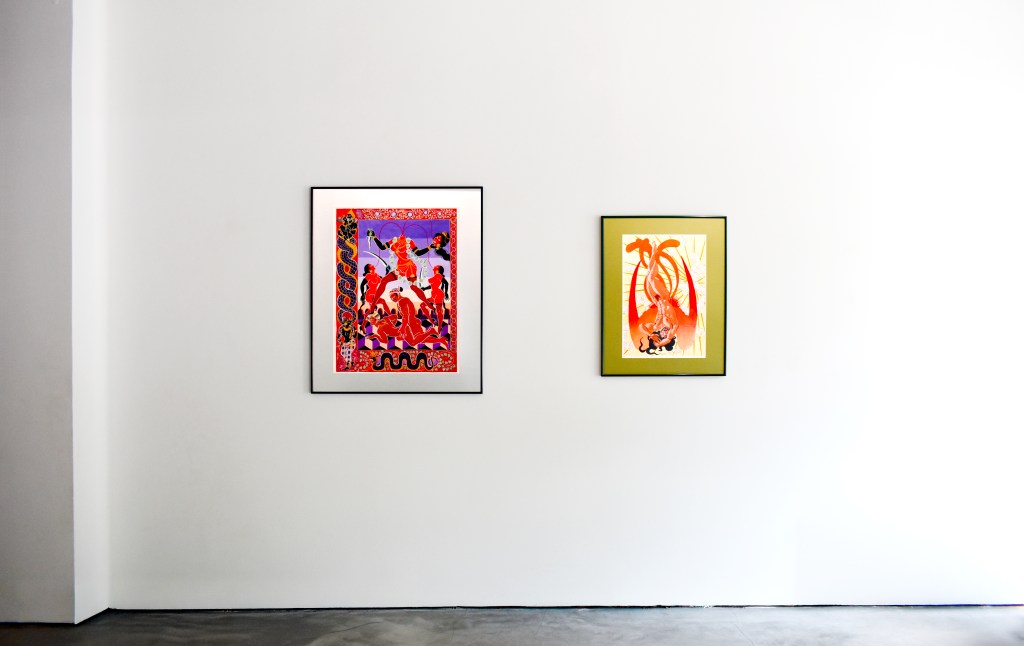
Richie Nath, An Oyster Without A Pear exhibition view
Photo by Galerie Bao
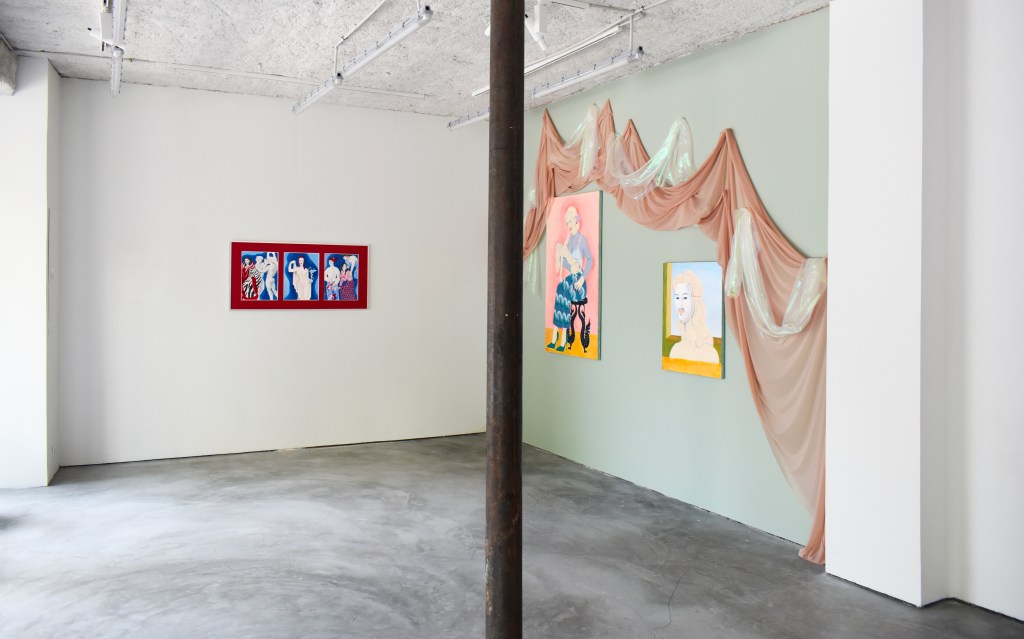
Richie Nath, An Oyster Without A Pear exhibition view
Photo by Galerie Bao
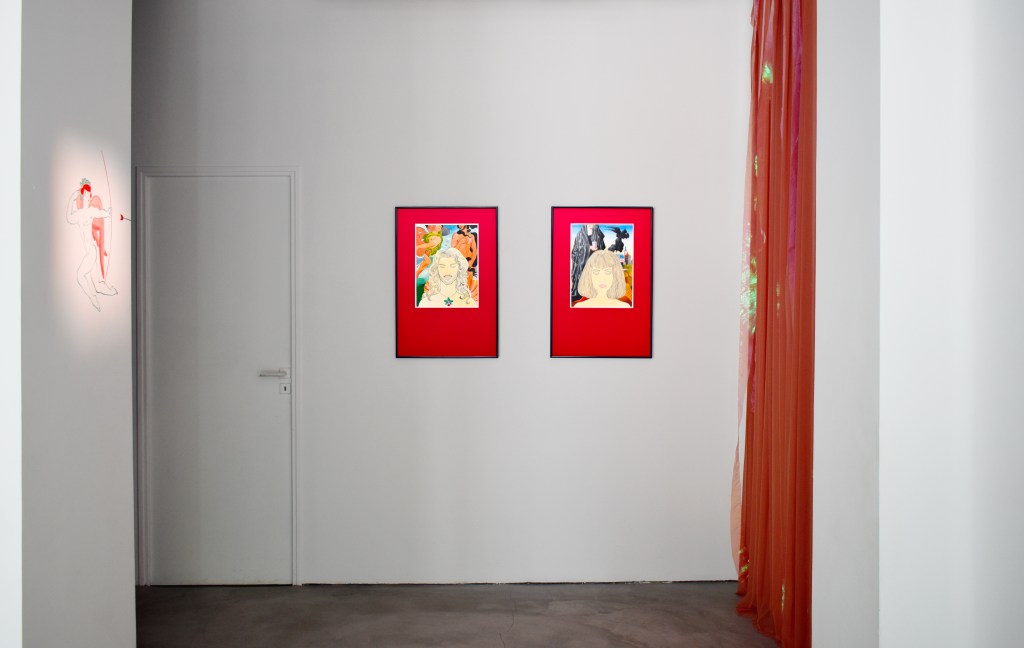
Richie Nath, An Oyster Without A Pear exhibition view
Photo by Galerie Bao
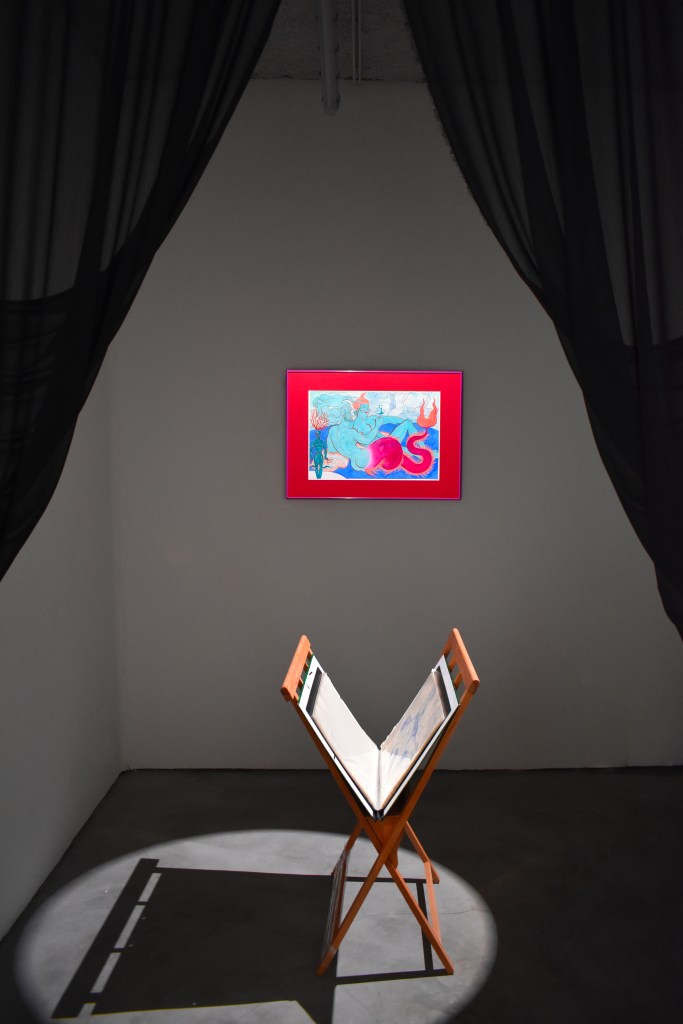
Richie Nath, An Oyster Without A Pearl exhibition view
Photo by Galerie Bao
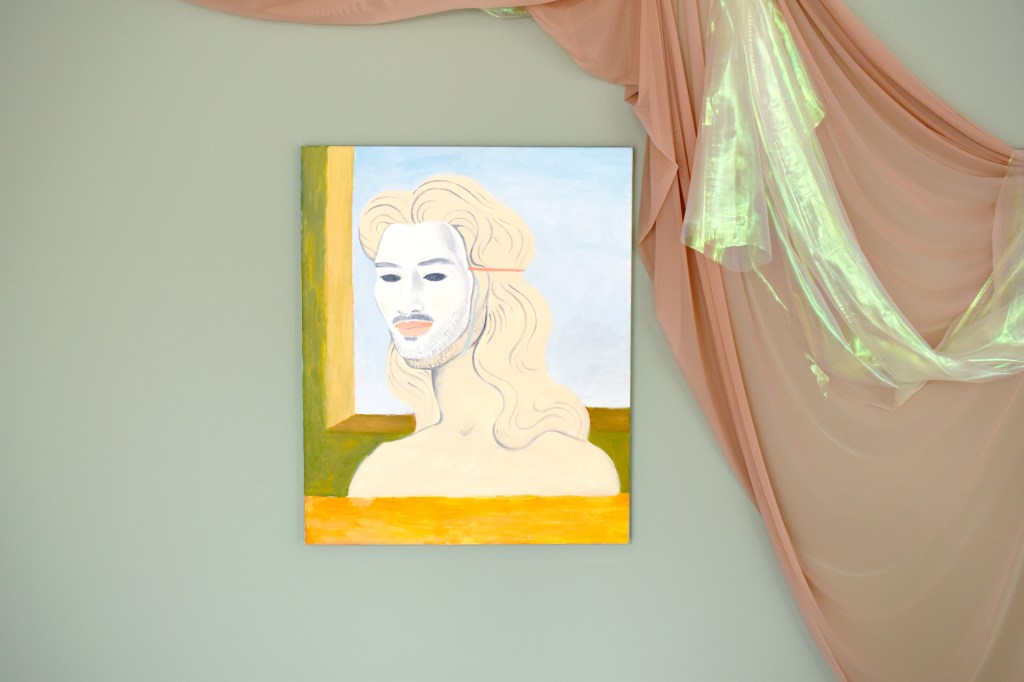
Richie Nath, An Oyster Without A Pearl exhibition view
Photo by Galerie Bao
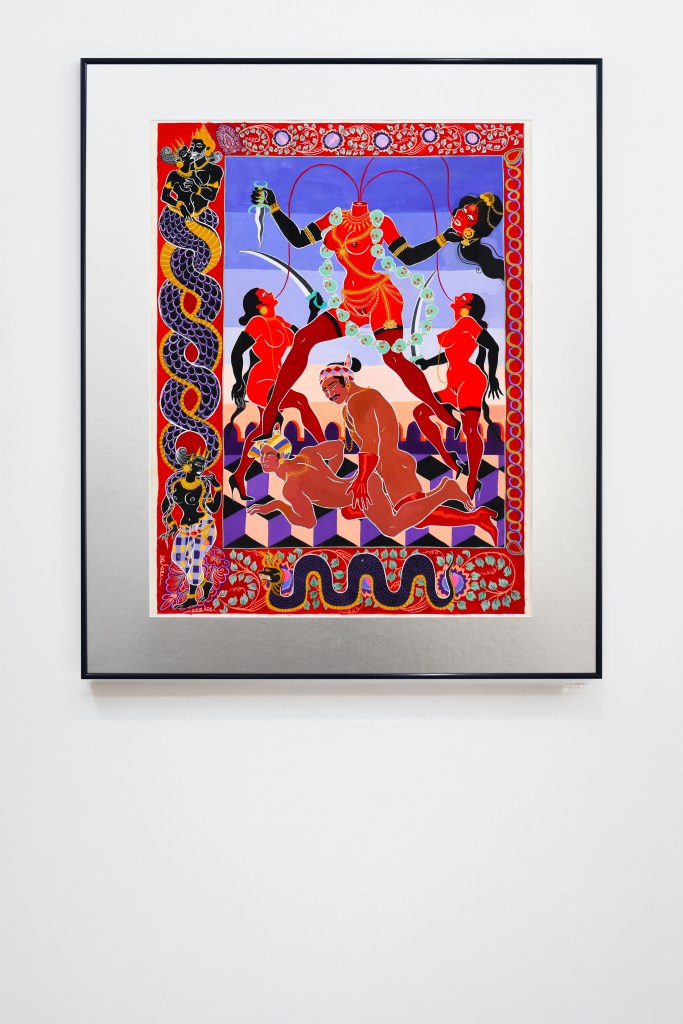
Richie Nath, “Chinnamasta”, 2026. Gouache on paper. 94x78x2
Photo by Galerie Bao
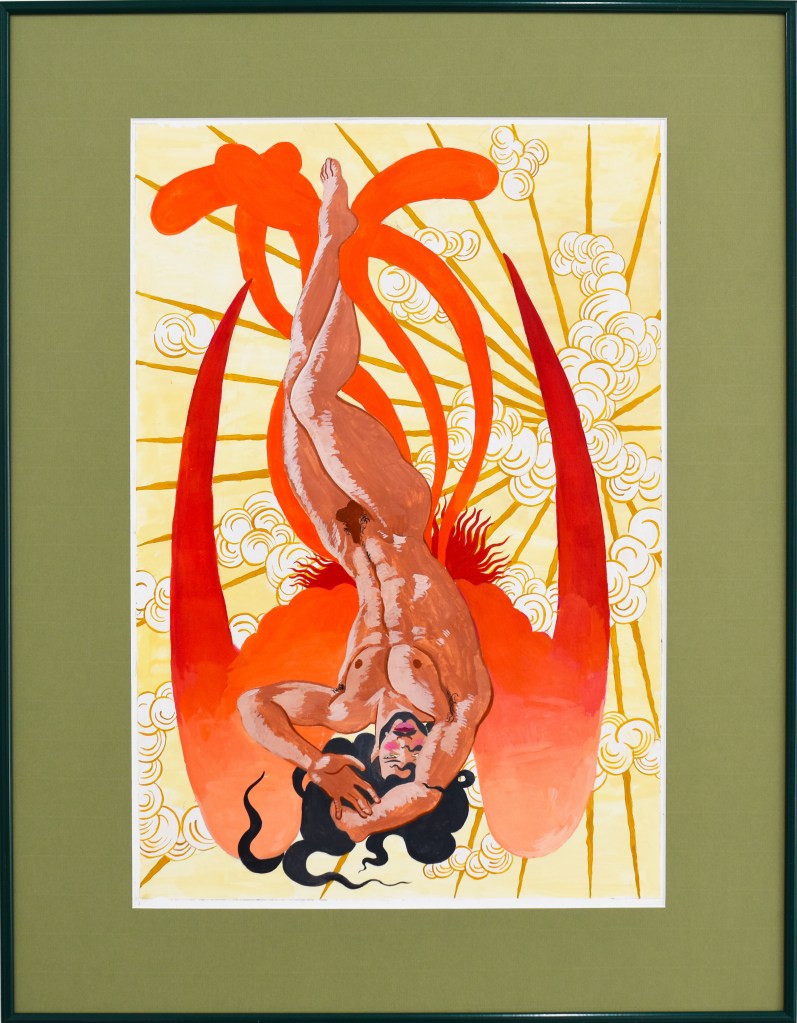
Richie Nath, “Paradise Lost”, 2026. Gouache on paper. 72x57x2
Photo by Galerie Bao
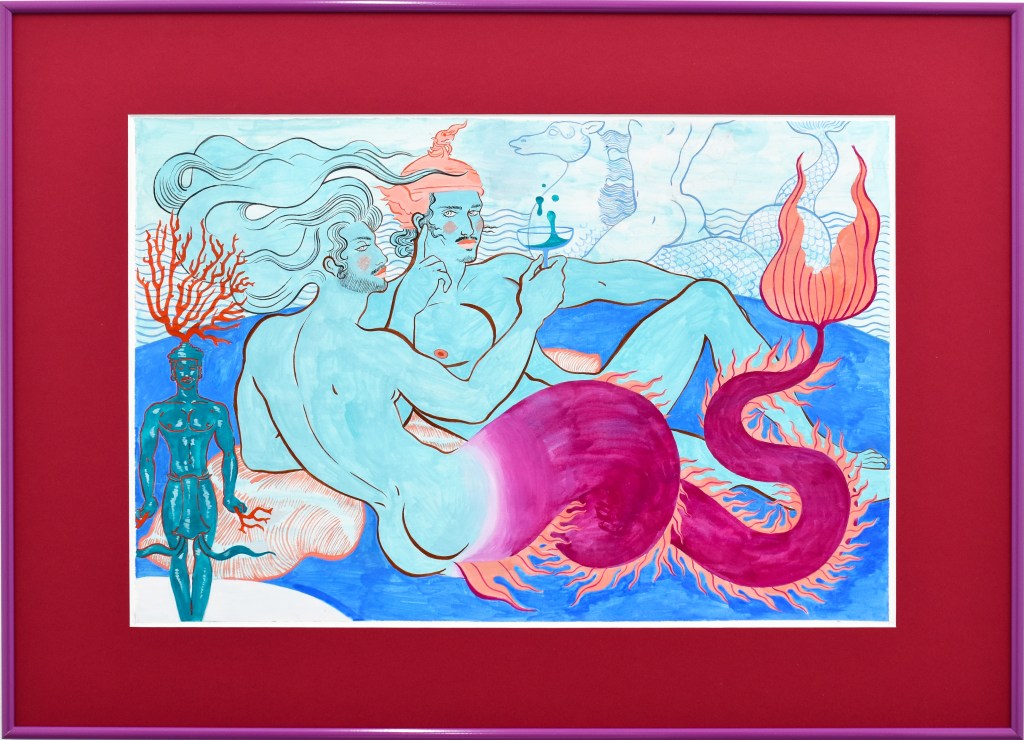
Richie Nath, “Tropic of Cancer”, 2026. Gouache on paper. 57x72x2
Photo by Galerie Bao
Notes
- As the article recounts, after a much-publicised trial, the doctor, Nang Mwe San, was released early. ↩︎
- Evidenced by the 2017 Rohingya crisis and the ascent of the ultranationalist Buddhist organisation Ma Ba Tha. ↩︎
- Here I follow the example of Lynette J. Chua, who uses this now-outdated term in recognition of how these activists referred to themselves at the time. Chua, Lynette J. The Politics of Love in Myanmar: LGBT Mobilization and Human Rights as a Way of Life. Stanford University Press, 2018. ↩︎
- This episode of the “Insight Myanmar” podcast provides further details about LGBT identity from this period through to the resistance efforts. ↩︎
- Whilst UNHCR estimates the number of internally displaced people at over four million. ↩︎
- The political significance of Ma Bama Pyi’s coloring was even raised by discussants on a Reddit thread. ↩︎
How to cite: Chadwick, Charlotte Marie. “Richie Nath: Queer Art, Exile and the Burmese Diaspora.” Cha: An Asian Literary Journal, 25 Sept. 2026, chajournal.com/2026/09/25/richie-nath.

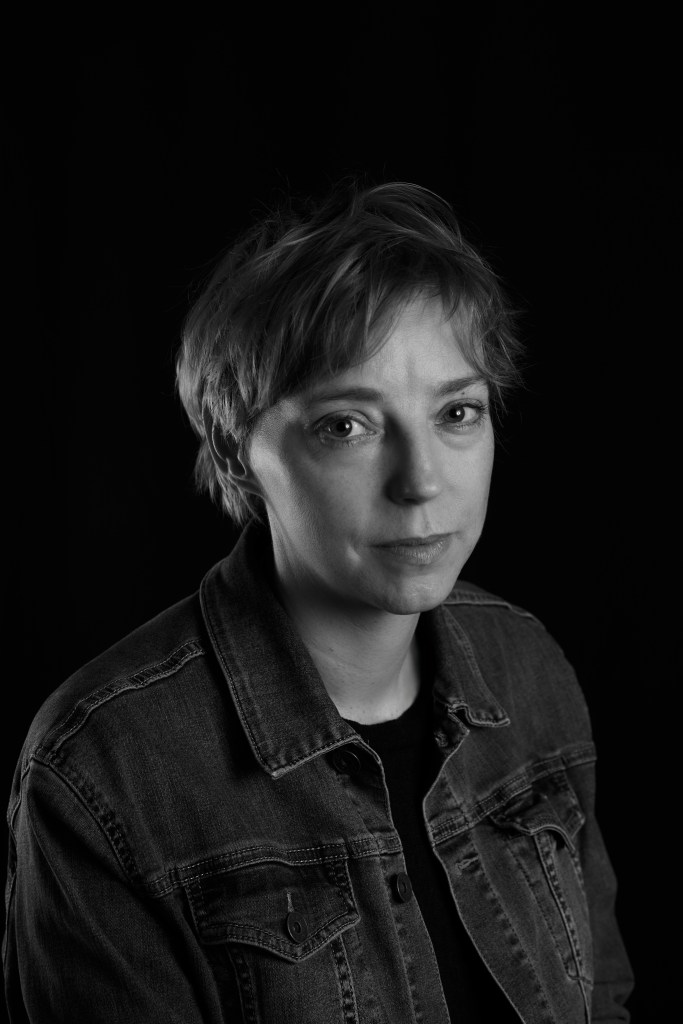
Photograph © Scotty Clare Photography, Yangon.
Charlotte Marie Chadwick is a PhD candidate in the Department of Humanities and Creative Writing at Hong Kong Baptist University and a recent visiting scholar with Cornell University Southeast Asia Program. Originally from New Zealand, Char also holds an MA (Research) in Literature from University of Melbourne and has spent several years living in the United Kingdom and Southeast Asia. Char’s research interests include queer theory, affect studies, and posthumanism across literature, performance, and cinema. Their dissertation focuses on Burmese identity, gender, and sexuality, as well as transnational affect in cinema. They also publish and perform creative work, including poetry, short fiction, theatre, and film. [All contributions by Charlotte Marie Chadwick.]

