
茶 FIRST IMPRESSIONS
茶 REVIEW OF BOOKS & FILMS
[REVIEW] “Loss, Survival, and Hope: Yuyutsu Sharma’s In God’s Messy Workplace” by Arun Budhathoki
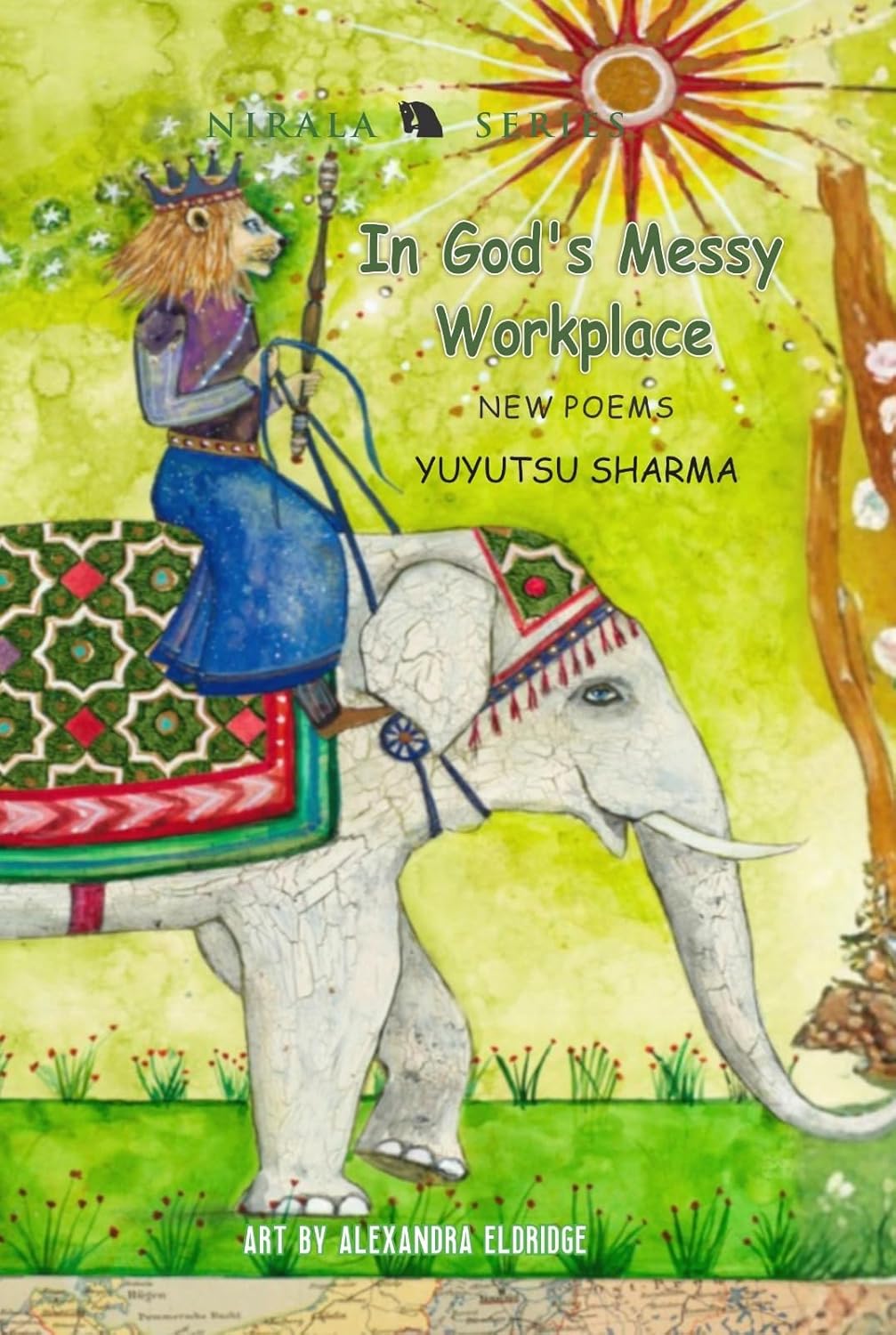
Yuyutsu Sharma. In God’s Messy Workplace: New Poems, Nirala Publications, 2026. 110 pgs.
The COVID-19 pandemic generated a vast body of literature across the world as writers sought to make sense of an unprecedented global crisis. Like the 1918 Spanish flu, which inspired works such as Katherine Anne Porter’s Pale Horse, Pale Rider, the pandemic of our own era compelled poets and novelists to grapple with themes of mortality, isolation, uncertainty, and resilience. In In God’s Messy Workplace: New Poems, acclaimed Himalayan poet Yuyutsu Sharma transforms the experience of the pandemic into a lyrical and deeply human meditation on loss, survival, memory, and faith.
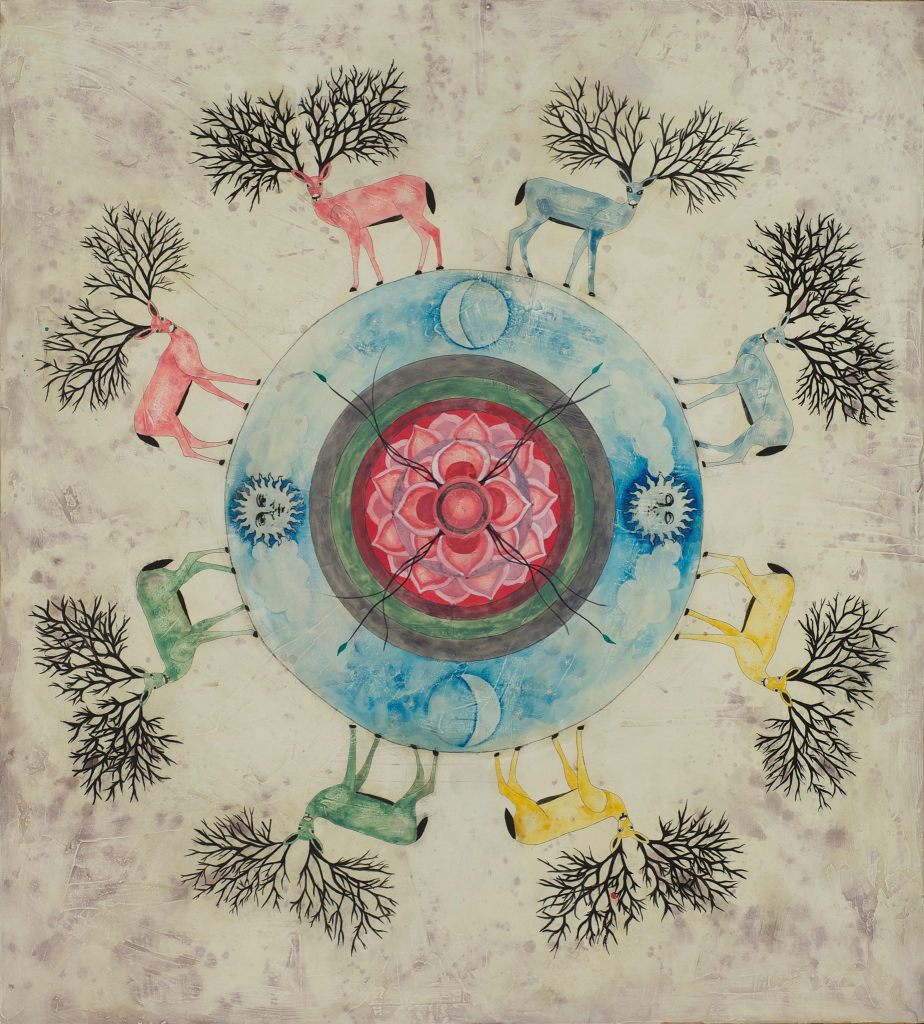
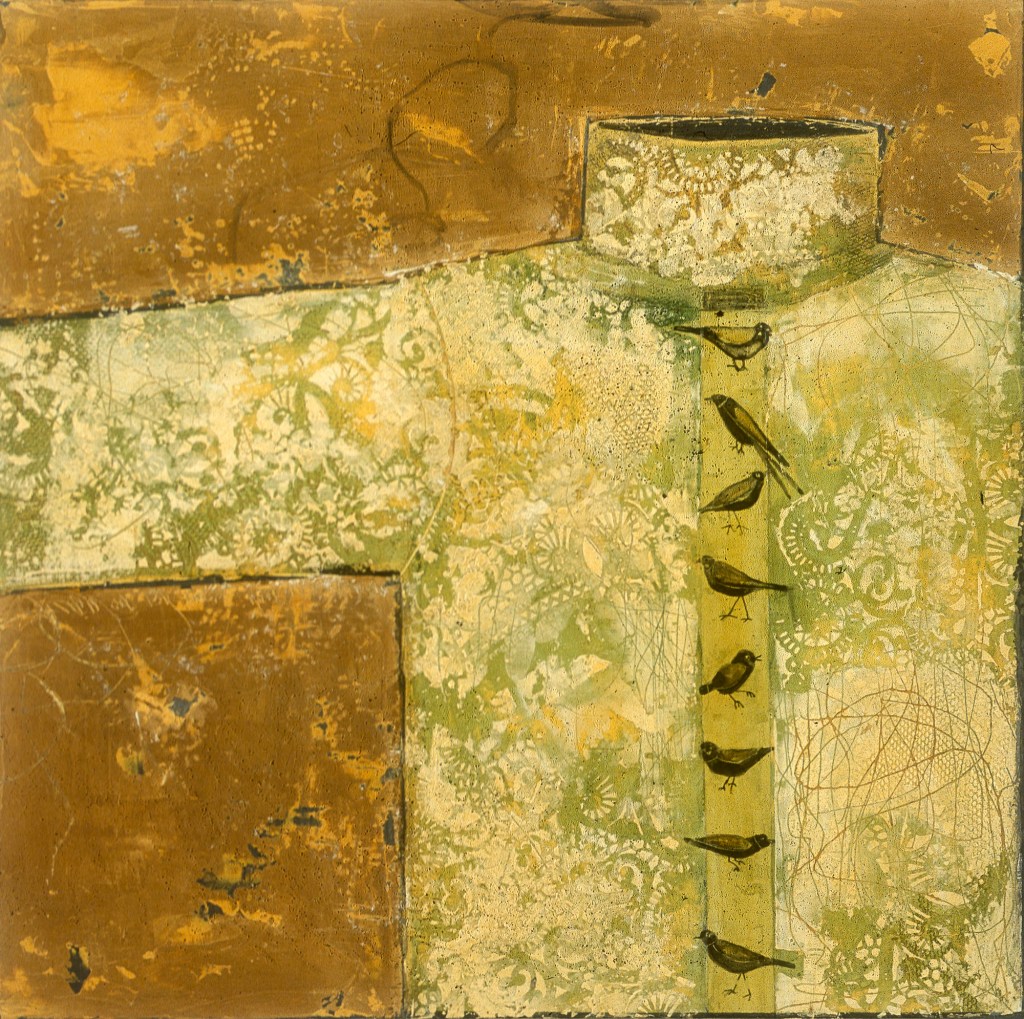
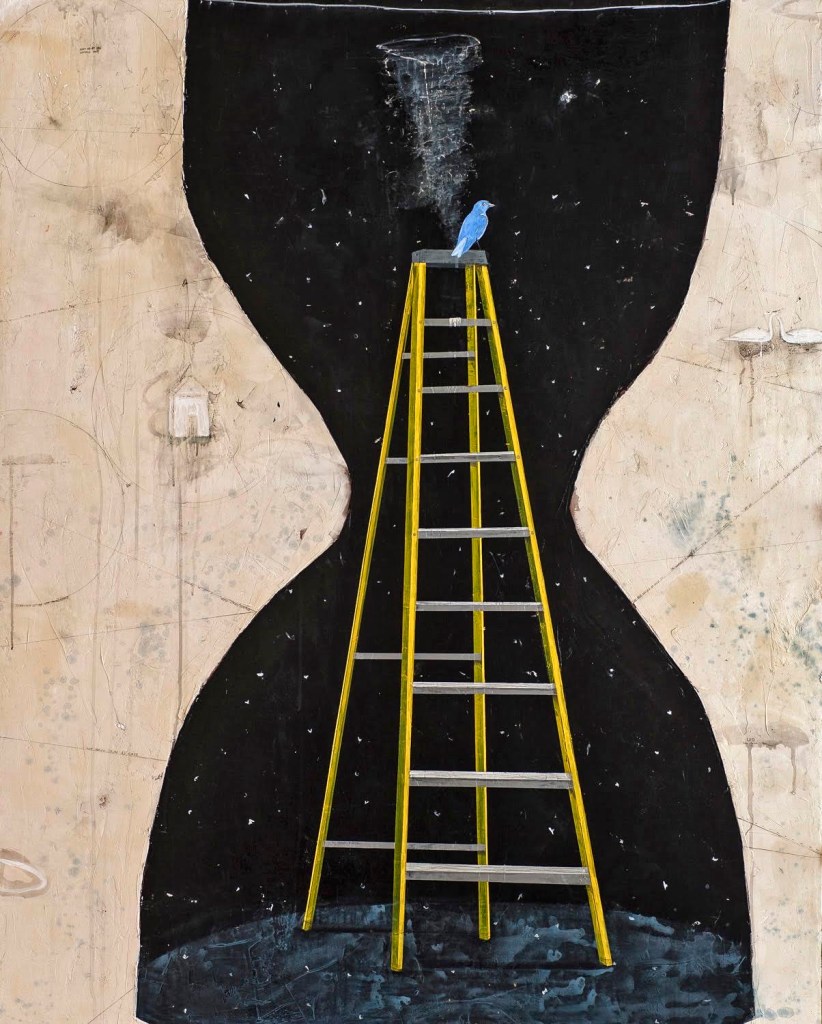
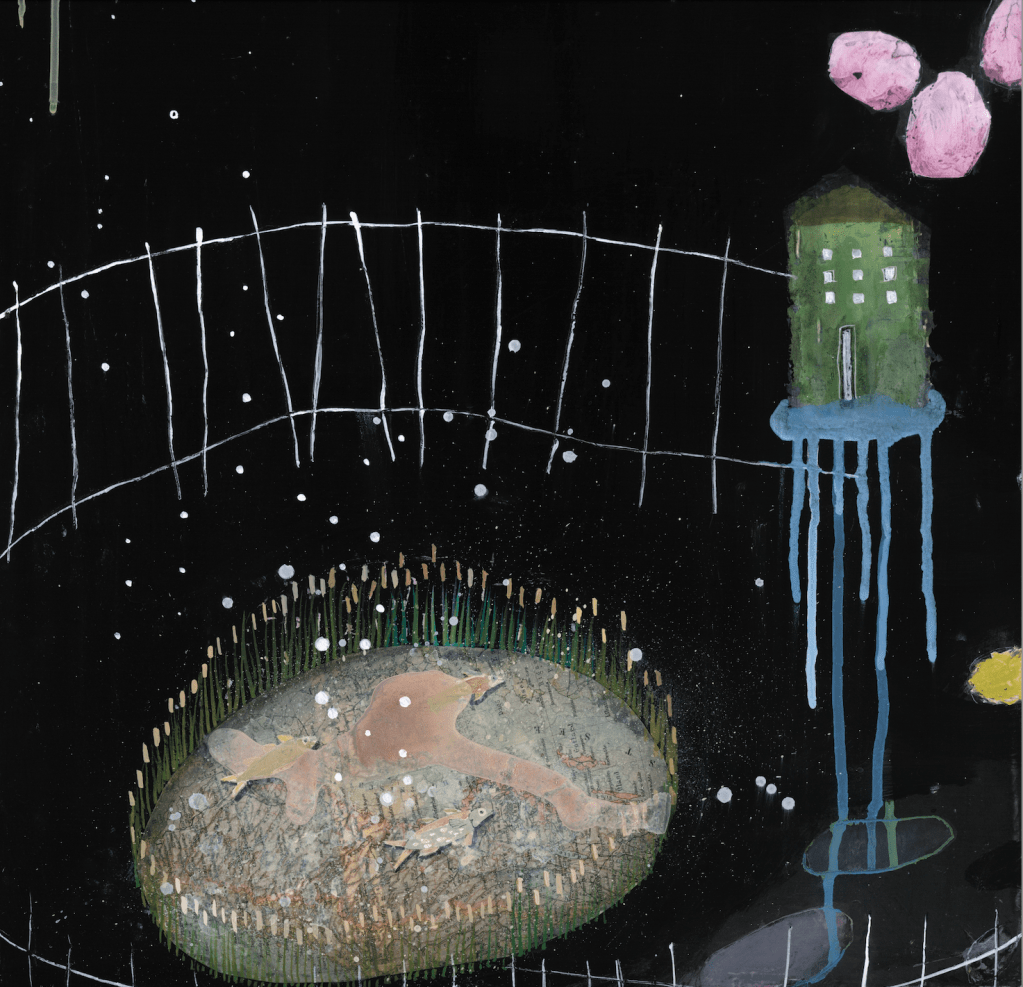
Published by Nirala, New Delhi, the collection brings together thirty-three poems written during and in the aftermath of the pandemic. The volume is beautifully complemented by twelve evocative paintings by Alexandra Eldridge, whose dreamlike imagery mirrors the emotional and spiritual landscapes explored in the poems. Dedicated to migrant workers who lost their lives while attempting to return home during the lockdowns, the book immediately situates itself within one of the most tragic humanitarian dimensions of the pandemic.
)
Divided into three sections, The First Wave, Battling It, and Running Out of Ink, the collection traces a journey from fear and uncertainty to endurance, reflection, and renewed awareness.
The opening section, The First Wave, captures the atmosphere of dread and suspension that defined the early days of the pandemic. Cities fell silent, borders closed, and people retreated into isolation. Sharma records this moment not through statistics or reportage but through intimate emotional landscapes. Poems such as “Rain” and “On a Long-Quarantined Night” evoke loneliness, longing, and the desire for human connection. The waiting that pervades these poems becomes symbolic of a larger collective condition: a world holding its breath.
At times, Sharma employs surreal and metaphysical imagery to confront an invisible enemy that defied comprehension. In “Even a Soul”, the virus is imagined as a force so elusive that it lacks shape, form, or identity, yet possesses the power to devastate lives across continents. Such poems reveal Sharma’s ability to merge philosophical reflection with concrete human experience.
As the section unfolds, the poems become increasingly personal. The pandemic serves not only as a global event but also as a catalyst for memory and introspection. In “Gloom”, the poet revisits his ancestral roots in Punjab, seeking solace in history and belonging. Other poems meditate on family, ageing, and mortality, revealing how moments of crisis often compel individuals to reconnect with their origins and reassess what truly matters.
)
The second section, Battling It, shifts from observation to confrontation. Here the pandemic is no longer a distant threat but a lived reality. Sharma writes candidly about illness, vulnerability, and recovery. His poems document both physical suffering and psychological endurance, creating a powerful narrative of resilience.
The section opens with “Archipelago”, a poem that explores intimacy during a period of separation and uncertainty. While much pandemic literature focuses on isolation, Sharma also acknowledges the human need for closeness and emotional connection. Throughout the section, the poet juxtaposes tenderness with fear, demonstrating how love and desire persist even in times of crisis.
What distinguishes many of these poems is their sensory immediacy. Sharma refuses to romanticise the pandemic. Instead, he confronts readers with its harsh realities: the fear of contagion, the presence of death, and the fragility of the human body. The poems collectively chart the poet’s prolonged struggle with COVID-19 and his gradual journey towards healing. Yet they never descend into despair. Running through the collection is a belief in human resilience and the possibility of renewal.
)
The final section, Running Out of Ink, broadens its focus beyond the self and turns towards society. It is here that Sharma’s social conscience emerges most forcefully. In “The Migrant Metaphor”, one of the strongest poems in the collection, the poet uses the image of feral dogs to evoke the suffering of migrant workers abandoned by systems meant to protect them. The poem resonates as a poignant commentary on inequality, displacement, and human neglect.
This section frequently recalls the modernist landscape of T. S. Eliot’s The Waste Land, particularly in its portrayal of fractured lives and spiritual exhaustion. Yet Sharma’s vision remains distinctly rooted in South Asian realities. His poems draw upon local histories, cultural memory, and mythological references to illuminate contemporary suffering.
In “Yaksha Questions”, for instance, Sharma invokes the famous episode from the Mahabharata in which Yudhishthira answers the riddles of Yama, the God of Death. The ancient narrative acquires fresh relevance in a world confronted daily by mortality. By weaving myth into modern experience, Sharma creates a dialogue between timeless human questions and contemporary anxieties.
The collection reaches its emotional and philosophical centre in the title poem, “In God’s Messy Workplace”. Here Sharma reflects on a world seemingly abandoned to chaos, where familiar certainties have collapsed and human beings are left searching for meaning amid devastation. The poem’s striking imagery (of fractured cosmoses, failed ascents, and monstrous presences) captures both the psychological disorientation of the pandemic and the broader crises facing contemporary society.
One of the most compelling aspects of the title poem is its openness to interpretation. The “monster bearing an orange flame” may symbolise the virus itself, but it may also suggest political dysfunction, social division, or the broader failures of institutions exposed during the pandemic years. Sharma wisely leaves the question unresolved, allowing readers to arrive at their own conclusions.
)
The collection concludes on a note of reflection rather than certainty. In poems such as “Alone in the Hills”, Sharma contemplates family, belonging, and the future of his children. These final poems reveal a poet who has emerged from crisis with deeper awareness but not necessarily with easy answers.
What makes In God’s Messy Workplace significant is its ability to transform a global catastrophe into a deeply personal yet universally resonant work of art. Sharma writes not merely as a witness to history but as a participant in it. His poems document a period of immense suffering while simultaneously affirming the endurance of compassion, memory, and hope.
At a time when the world is eager to move beyond the pandemic, In God’s Messy Workplace serves as a reminder that literature has an essential role in preserving collective memory. The collection stands as both a poetic testimony to an extraordinary historical moment and a meditation on what it means to remain human in the face of uncertainty.
How to cite: Budhathoki, Arun. “Loss, Survival, and Hope: Yuyutsu Sharma’s In God’s Messy Workplace.” Cha: An Asian Literary Journal, 3 Jul. 2026, chajournal.com/2026/07/03/messy-workplace.



Arun Budhathoki was born in Kathmandu, Nepal, and is the author of three collections: Edge (Cyberwit, 2011), Prisoner of an iPad (Nirala Publications, 2014), and And I Blamed Canadian Winter Again: Poems East & West (Nirala Publications, 2025); and the translator of Shramatan (2023). His work has appeared in Mad Swirl, North East Review, Dead Beats, the League of Canadian Poets’ “Poetry Pause” series, and elsewhere. He is the publisher of the Kathmandu Tribune, a bilingual English/Nepali literary journal. Arun is a member of the League of Canadian Poets, the Writers’ Union of Canada, the Writers’ Guild of Alberta, and the Stroll of Poets Society.
 Cha
Cha 