
Read Zheng Wang’s essay “A Gaze Across the River: On Translating Zhang Zhihao” HERE.
Editor’s note: These translations, rendered by Zheng Wang, bring together a decade-spanning selection of Zhang Zhihao’s poems that dwell on family, rural landscapes, ageing, grief, desire, and ethical attentiveness to the everyday. Moving between childhood memory and middle age, the poems portray fathers, mothers, lovers, food, animals, hills, and household objects with a restrained intensity that resists abstraction and spectacle.

Wildflowers on the Plateau
I would, for anyone, be willing to nurture so many little beauties
I would be willing to move my homeland
here, and here I would be willing to live as someone never given to cynicism
like that small stream of unknown origin
I would be willing to let my tears flow all day, as a way of saying
that I truly wish
to become an old father with his gray hair unbound
2003

高原上的野花
我愿意为任何人生养如此众多的小美女
我愿意将我的祖国搬迁到
这里,在这里,我愿意做一个永不愤世嫉俗的人
像那条来历不明的小溪
我愿意终日涕泪横流,以此表达
我真的愿意
做一个披头散发的老父亲
2003

Sleeping Beside My Father
The night is so dark. We keep watch inside this iron pot
like two chopsticks not yet washed clean by mother
no longer able to lift any food
When someone leaves, how much can he take with him?
I count the powders clinging to the stomach wall
the larger ones are pain, the smaller ones still
At noon, we buried the world’s largest potato
From then on, no one will nag us anymore
Her words have sprouted into leaf buds, the hoe she used
has rusted, and the fire she once lit
has gone out. When I shivered and tried to rekindle it, the flame
has already moved from the stove cavity to the alter
No one will ever sleep this close to you again
In the vast and pitch-dark countryside night, never again
will sleep be so deep
We held on until dawn
I said, Father, let me sleep beside you once more
As soon as I spoke, I collapsed
into the emptiness he made for me
I carefully touched your bony feet
Moving from your toes, then your ankles and knees
then back to my own chest
There, a heart beat faster and faster
I heard a dog barking wildly outside the window,
then as if recognising the visitor
sulkily, it whimpered, sniffing at her
unable to pull her feet from the ruts of the human world
I reached for you again, trembling, only to find
you already dressed, sitting at the head of the bed
So many dark patches
flashed past the plastic-covered window
No longer your familiar, no longer my unfamiliar
the sound of scraping of the pot bottom
2003
与父亲同眠
夜晚如此漆黑。我们守在这口铁锅中
像还没有来得及被母亲洗干净的两支筷子
再也夹不起任何食物
一个人走了,究竟能带走多少?
我细算着黏附在胃壁里的粉末
大的叫痛苦,小的依旧是
中午时分,我们埋葬了世上最大的那颗土豆
从此,再也不会有人来唠叨了
她说过的话已变成了叶芽,她用过的锄头
已经生锈,还有她生过的火
灭了,当我哆嗦着再次点燃,火
已经从灶膛里转移到了香案上
再也不会有人挨你这么近睡觉了
在漆黑而广阔的乡村夜色中,再也不会
睡得那么沉。我们坚持到了凌晨
我说父亲,让我再陪你一觉吧
话音刚落,就倒在了他腾给我的
空白中
我小心触摸着你瘦骨嶙峋的大脚
从你的脚趾上移,依次是你的脚踝和膝盖
最后又返回到自己的胸口
那里,一颗心越跳越快,我听见
狗在窗外狂叫,接着好像认出了来人
悻悻地,哀鸣着,嗅着她
无力拔出人世的脚窝
我又一次颤抖着将手伸向你,却发现
你已经披衣坐在床头。多少漆黑的斑块
从蒙着塑料薄膜的窗口一晃而过
再也没有你熟悉的,再也没有我陌生的
刮锅底的声音
2003
The Terminator
After thee, I will love no one else.
No more—never again.
After thee, I will grow old in peace,
relearn the art of calmness.
A river bends at thy ankle.
Thou know where the answer lies;
thou know every wave is destined to die.
Once broken and flooding,
I too will turn into a dustpan,
a shovel,
or the sweat and tears
on thy cheeks.
After me,
thou will become a woman among women—
surrounded by children,
surrounded by stars.
And the river roars;
the dead waves will come back to life.
Those like me, after death, beneath the earth,
will also gently shift our ankle bones.
2005
终结者
你之后我不会再爱别人。不会了,再也不会了
你之后我将安度晚年,重新学习平静
一条河在你脚踝处拐弯,你知道答案
在哪儿,你知道,所有的浪花必死无疑
曾经溃堤的我也会化成畚箕,铁锹,或
你脸颊上的汗水、热泪
我之后你将成为女人中的女人
多少儿女绕膝,多少星宿云集
而河水喧哗,死去的浪花将再度复活
死后如我者,在地底,也将踝骨轻轻挪动
2005
The Mushroom Speaks, the Wood Ear Listens
A mushroom and a wood ear
share the same washbasin.
Two pieces of dried foods floating on the surface,
despising each other—
so black, so shriveled.
They confronted one another all night.
At dawn,
Two plump bodies crowded the water.
The mushroom said: “Like this, like this…”
The wood ear heard,
but did not reply.
Both of them wanted
to return to the virgin forests
in the southwest.
2011
蘑菇说木耳听
一朵蘑菇与一只木耳共一个浴盆
两个干货飘在水面上
相互瞧不起对方
这样黑,这样干瘪
就这样对峙了一夜
天亮后,两个胖子挤在水里
蘑菇说:“酱紫,酱紫……”
木耳听见了,但木耳不回答
蘑菇与木耳都想回神农架
2011
If Roots Could Speak
If roots could speak,
they would speak first of darkness,
then of light.
They would tell you:
In darkness there are no nations;
in light, there is no you or I.
Here it is damp;
there it is dry.
An earthworm crossing a lonely grave
may take half a lifetime.
An ant climbs to the treetop
just for a single leaf bud.
If roots could speak,
they would say the underground
is better than the one above.
My dead mother
is still alive.
This year, she turns eleven.
I have seen her only once
in eleven years.
If the roots went on speaking,
they would speak of my childhood—
when I sat beneath a tree
and used a little shovel
to dig gently
into the earth.
2012
如果根茎能说话
如果根茎能说话
它会先说黑暗,再说光明
它会告诉你:黑暗中没有国家
光明中不分你我
这里是潮湿的,那里干燥
蚯蚓穿过一座孤坟大概需要半生
而蚂蚁爬上树顶只是为了一片叶芽
如果根茎能说话
它会说地下比地上好
死去的母亲仍然活着
今年她十一岁了
十一年来我只见过一次她
如果根茎继续说
它会说到我小时候曾坐在树下
拿一把铲子,对着地球
轻轻地挖
2012
The Holly Tree
I slept one night on the holly tree.
I was five that year,
chased up the tree by my father.
I hugged the trunk
and sang for a while.
Night birds beat their wings in the bamboo grove.
When I quieted down,
they too fell quiet.
When all of us were silent,
only the moon
roamed across the sky,
only my mother leaned against the doorframe
weeping.
2013
冬青树
我在冬青树上睡了一宿
那年我五岁
被父亲赶上了冬青树
我抱着树干唱了一会儿歌
夜鸟在竹林里振翅
我安静的时候它们也安静了下来
我们都安静的时候
只有月亮在天上奔走
只有妈妈倚着门框在哭
2013
Okra
Okra is delicious however it is cooked;
it sounds lovely however it is pronounced.
I remember the first time
I took you to taste it.
It was summer.
We sat by the window
at the restaurant named
after the Kitchen God.
I leafed through the menu
and pointed at the okra:
“This one is good!”
I remember your satisfied look
from beginning to end.
It was also my first okra—
the first time I realised
how much of a pity it was
that we were not together.
2014
秋葵
秋葵怎么做都好吃
怎么念都好听
我记得第一次带你吃它的情形
那是一个夏天
我俩坐在楚灶王的窗边
我一边翻着菜谱一边指着秋葵
说:这个好吃!
我记得你自始至终
一副心满意足的样子
那也是我第一次吃秋葵
第一次觉得我们不在一起
多可惜
2014
At Dusk
My father walks back and forth in the dusk.
He is always the last
to enter the house.
Except for his silhouette,
I can hardly recognise him.
As he grows more hunched,
sitting under the eaves at dawn
waiting for nightfall,
I recognise him even less.
Sometimes I pull up a stool
and sit facing him.
Looking closely, he resembles a child
smiling shyly,
his rough palms resting on his knees.
It is as if he had been pushed into a daguerreotype studio;
a little aggrieved, a little embrassed.
2015
暮色中
我父亲在暮色中走来走去
他总是最后一个走进家门的人
除了背影,我几乎认不出他
当他日益佝偻,一大早
就坐在屋檐下等候天黑
我更加认不出他了
有时我也拉一张板凳在他对面坐下
仔细看他像一个孩子
讪笑着
粗糙的手掌搭在膝盖上
仿佛被人推进了照相馆
有些委屈,不好意思
2015
Salted Fish Dripping
The salted fish are dripping
beneath white, steaming sunlight.
A whole row of them drip—
fast to slow,
clear to murky.
The final drop slides
from deep inside a fish’s eye,
passing the fin,
reaching the tail,
gathering the last bit of strength
a fish has.
By now,
the setting sun has been absorbed by the earth.
The evening wind tugs
the bouncing clothesline.
On the line hangs cotton coats
crusted with fish scales.
Extremely heavy,
and then extremely
light.
2016
腌鱼在滴水
腌鱼在滴水
在白色的冒着热气的阳光下
一排腌鱼都在滴水
水滴由快到慢
由清到浊
最后一滴从鱼眼深处滑下
经由鱼鳍,到达鱼尾
凝聚了一条鱼
最后一点力气
此时落日已被大地吸纳
晚风拉扯着
一旁跳荡的晾衣绳
绳子上挂着粘满了鱼鳞的棉衣
棉衣开始很重,后来很轻
2016
Love of the Hills
I hold an inexplicable phalia
for all hills—
fields, ridges, pine groves, streams…
Especially in winter,
the undulating land
seems like one embrace after another
opening itself to the warm sunlight.
Every house is encircled
by bamboo and trees;
they face south with their backs to the north—
never altered.
The green wheat seedlings,
the yellow rice stubble,
the milky smoke rising over the treetops
never hurrying away—
unlike the plains, plateaus, or mountains.
In the hills,
I can always find the life I want.
Especially since entering middle age,
I have grown closer to these hills—
I can cross in a single stride,
streams I can wade through,
and these open arms
waiting for me.
2017
丘陵之爱
我对所有的丘陵都怀有莫名的爱意
田畴,山丘,松林和小河……
尤其是到了冬天
起伏的地貌仿佛一个个怀抱
在暖阳里彼此敞开
每一座房屋都被竹林树木环绕着
它们坐北朝南的架势从来不曾改变
青翠的是麦苗,枯黄的是稻茬
乳白色的炊烟越过林梢之后
并不急于飘走,这一点
不同于平原、高原和山区
我总能在丘陵中找到我要的各种生活
尤其是在我步入中年之后
我更亲近这些提腿就能翻过去的
山丘,蹚过去的小河,这一个个
能为我打开的怀抱
2017
How to cite: Wang, Zheng and Zhang Zhihao. “Ten Poems.” Cha: An Asian Literary Journal, 19 Jan. 2026. chajournal.com/2026/01/22/zhang-zhihao-poems.

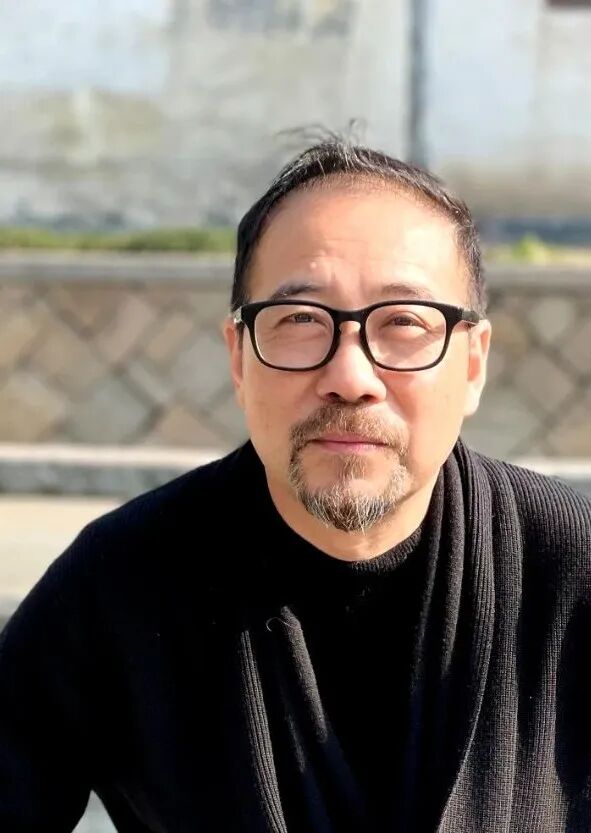
Zhang Zhihao is a distinguished poet and prose writer from Wuhan, China. He is a professional writer affiliated with the Wuhan Federation of Literary and Art Circles and serves as Director of the Wuhan Writers’ Association, Vice Chair of the Hubei Writers’ Association, and a National Committee Member of the China Writers’ Association. His principal works include Ku yu Zanmei (Suffering from Praise), Kuankuo (Breadth), and Gaoyuan Shang de Yehua (Wildflowers on the Plateau). Zhang has received numerous prestigious literary honours, among them the Lu Xun Literature Prize, the Chinese Media Literature Award, and the Chen Zi’ang Poetry Award presented by Poetry magazine. His writing is widely recognised for its clarity, compassion, and sustained engagement with lived experience.


Zheng (Moham) Wang (translator), originally from Wuhan and of Yao (Iu-Mien) ethnicity, currently resides in Singapore. A member of the Independent Chinese PEN Centre, he was awarded the Wang Guozhen Poetry Prize in 2020, the Taiwanese “Fourth Luo Ye Literary Award” for fiction in 2023, the Singapore “Xinhua Youth Literary Award” for poetry, and the 2024 Lianhe Zaobao Gold Prize (Fiction Category), among others. His poetry and fiction have appeared in Qingdao Literature, Youth, Young Writers, Taiwan’s Taike Poetry, Vineyard, China Daily, Liberty Times, and Hong Kong’s Voice & Verse, P-Articles, and Hong Kong Literature. His English-language poetry has been featured in Queer Southeast Asia, Malaysia Indie Fiction, Woman, Cha, and Voice & Verse Poetry Magazine, among others. His poetry and illustrations were also selected for the 2023 Chengdu Biennale parallel exhibition “Perceiving Geography.” He holds a BA in Studio Art and Art History from Rice University (USA), an MA in Aesthetics and Politics from the California Institute of the Arts, and is currently pursuing a fully funded PhD in Art, Design and Media at Nanyang Technological University, Singapore. More at mohamstudio.com. [All contributions by Zheng Wang.]
 Cha
Cha 