
茶 FIRST IMPRESSIONS
茶 REVIEW OF BOOKS & FILMS
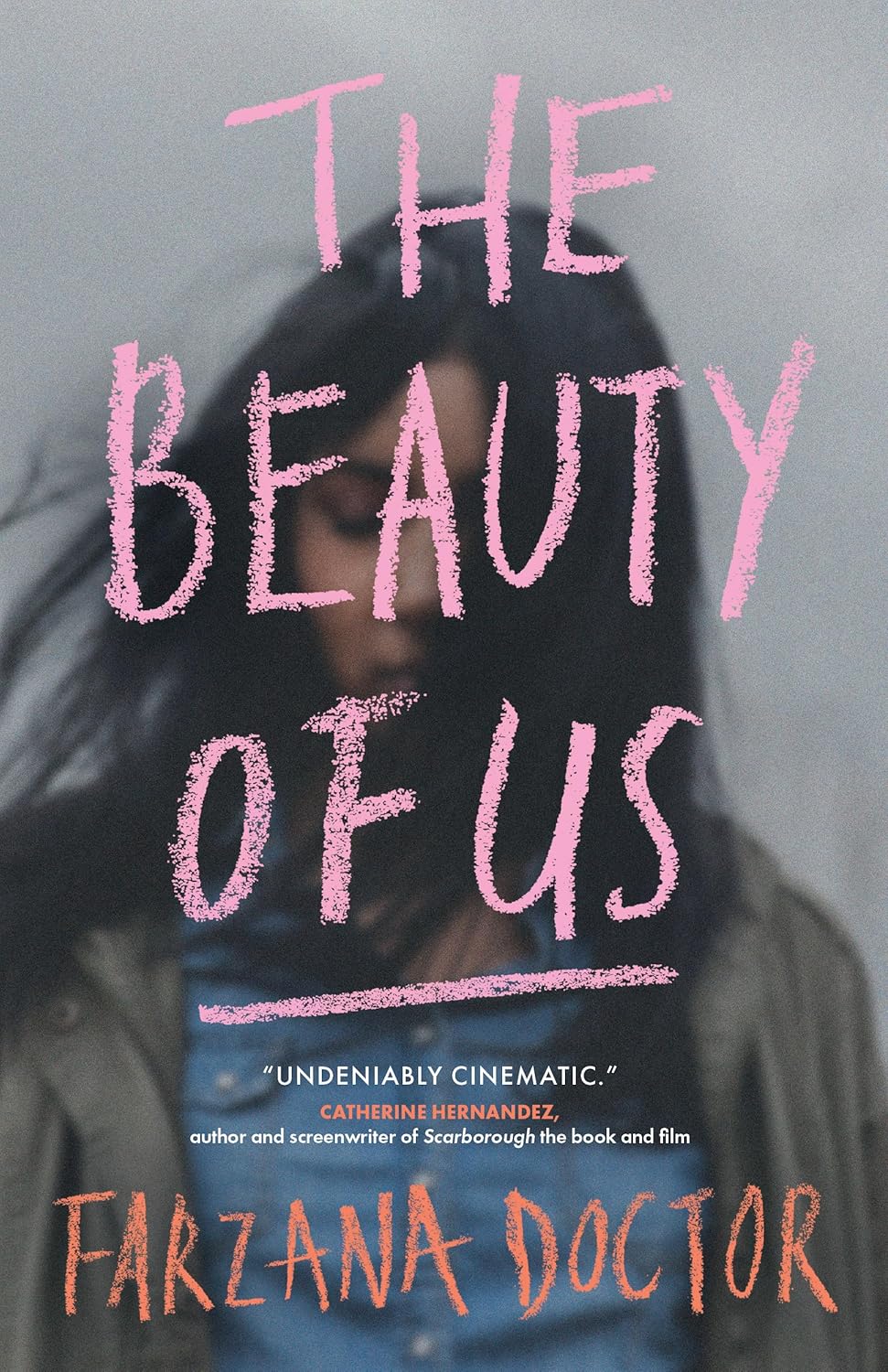
[FIRST IMPRESSIONS] “The Beauty of Becoming: Farzana Doctor’s The Beauty of Us” by Hana Kim
Farzana Doctor. The Beauty of Us, ECW Press, 2024. 304 pgs.
Last year, I wrote about Fang Si-Chi’s First Love Paradise by Lin Yi-Han, translated by Jenna Tang, for Cha‘s First Impressions series. Set in Taiwan, the novel follows Fang Si-Chi, a young girl whose trust is betrayed by an admired teacher.
Whilst reading the novel, and many times since, I kept thinking about how alone Fang Si-Chi was. She was surrounded by people, yet she carried so much of her pain in silence. I kept wishing that someone in her life would notice.
That feeling stayed with me long after I finished the book.
)
I first read Farzana Doctor’s The Beauty of Us whilst preparing for an Asian Heritage Month literary event at which she was one of three featured authors.
Set at a private boarding school in Ontario, Canada, in 1984, The Beauty of Us follows the intersecting lives of Zahabiya, Leesa, and Nahla. As their stories unfold, Doctor explores friendship, belonging, family expectations, identity, and the search for one’s place in the world. The novel is particularly attentive to the ways in which cultural background, family, and community shape how its characters understand themselves and the people around them. It confronts difficult subjects, including bullying, grooming, family tensions, and questions of belonging, yet does so without surrendering to despair.
What struck me most about The Beauty of Us was that, despite the hardships its characters face, it remains a hopeful novel. It does not look away from pain, but neither does it lose sight of the people who help one another endure it.
)
Reading the two novels in close succession, I found myself thinking about the different ways in which suffering is carried. In Fang Si-Chi’s First Love Paradise, it remains largely hidden and unspoken. In The Beauty of Us, pain is also present, but it is more often shared, witnessed, or met with the care of others.
What stayed with me most was the way Doctor gradually deepened my understanding of her characters. Leesa, in particular, became far more complicated than my initial impression of her suggested. The more I read, the less those first impressions seemed sufficient.
More than anything, however, I found myself thinking about the process of becoming. Zahabiya, Leesa, and Nahla are each trying to make sense of themselves in relation to family expectations, friendship, grief, love, culture, and community. Their journeys differ, but all three are searching for a way of living that feels true to who they are. The novel offers no easy answers, yet it takes their struggles seriously.
That is what stayed with me after reading The Beauty of Us. Fang Si-Chi’s First Love Paradise left me grieving the isolation of a girl whose suffering remained largely unseen. Doctor’s novel left me thinking about a different question: how do we become ourselves amid the expectations, assumptions, and circumstances that shape our lives? Zahabiya, Leesa, and Nahla each offer a different response to that question. Their paths are shaped by family, friendship, loss, culture, and the choices they make. Becoming is rarely straightforward, but Doctor’s novel suggests that it is also rarely undertaken entirely alone.
How to cite: Kim, Hana. “The Beauty of Becoming: Farzana Doctor’s The Beauty of Us.” Cha: An Asian Literary Journal, 16 Jun. 2026, chajournal.com/2026/06/12/beauty-of-us.

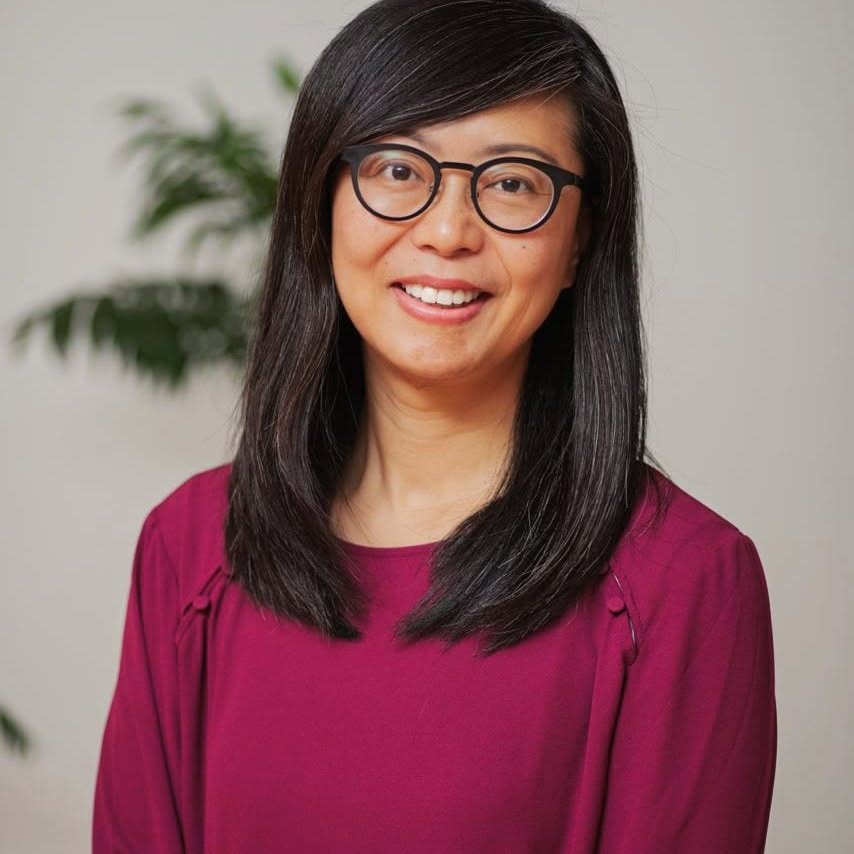
Hana Kim, a first-generation Korean Canadian, serves as Director of the East Asian Library at the University of Toronto and was previously Head Librarian of the Asian Library at University of British Columbia. She is the editor of Asian Canadian Voices: Facets of Diversity and has published work on Asian Canadian heritage and librarianship. She received the 2018 Korean Canadian Heritage Award, the 2008 Harvard University Korean Institute Sunshik Min Prize, and the Korea Times’ 41st Modern Korean Literature Translation Award. Her original poetry and translations have appeared in various publications, including Ricepaper Magazine. [All contributions by Hana Kim.]
 Cha
Cha 