
📁 RETURN TO FIRST IMPRESSIONS
📁 RETURN TO CHA REVIEW OF BOOKS AND FILMS
Shen Yang (author), Nicky Harman (translator), More Than One Child: Memoirs of an Illegal Daughter, Balestier Press, 2021. 280 pgs.

“I broke the law simply by being born”
—Shen Yang
Shen Yang’s memoir More Than One Child tenderly unfolds an intimate and profoundly touching narrative that delves into the struggles of being an “excess child” (known as 黑孩子 hēi háizi “black child” in Mandarin) during the reign of China’s stringent One-Child Policy. This policy, initiated in 1979 and officially phased out in 2015, was a sweeping and controversial government mandate aimed at controlling population growth. Under this policy, most urban couples were restricted to having only one child, while exceptions and variations existed in rural areas, particularly for families with specific circumstances, such as ethnic minorities or agricultural backgrounds.
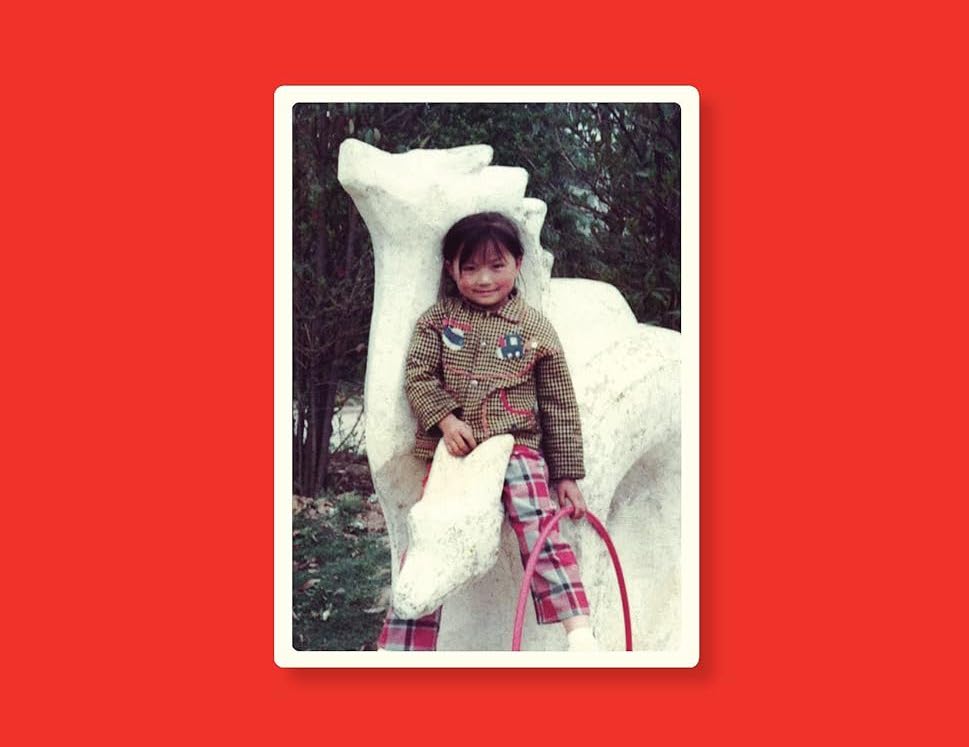
More Than One Child encapsulates the harrowing experiences and emotional complexities faced by those like Shen Yang herself, who were born outside the permitted child limit. The vivid narrative weaves through the social, emotional, and psychological hardships endured by these “excess children” as they grappled with societal marginalisation and struggled to assert their identity in a system that did not officially recognise their existence. Through her personal story, Shen Yang illuminates the broader socio-cultural implications of the One-Child Policy, shedding light on the deeply personal toll it took on countless young lives, including the invisible struggle of those labelled as “illegal” children. In this poignant account, Yang Yang (Shen Yang’s endearing nickname from her childhood), the protagonist and narrator, invites readers into her world, navigating the complex landscape of a society that marginalised those considered surplus by government-mandated family planning policies. The memoir presents a compelling and essential perspective on a period in Chinese history often discussed from broader sociopolitical angles.
Through Yang Yang’s eyes, the narrative unfolds, chronicling the trials and tribulations faced by children like her, who were born into a society that did not acknowledge their existence. The personal lens through which the story is told allows for a deeper, more nuanced exploration of the human impact of this controversial policy. One of the most remarkable aspects of Shen Yang’s storytelling is her adept use of irony. Amid the weighty and often tragic circumstances, she skilfully employs irony to infuse moments of levity, creating a multifaceted narrative that is both heart-wrenching and unexpectedly uplifting. This narrative technique adds layers of depth, making the memoir not only emotionally resonant but also intellectually stimulating.
Shen Yang’s writing style is characterised by its fluidity, simplicity, and ease, enabling readers to traverse the tumultuous terrain of Yang Yang’s life with a sense of immediacy and empathy. The constant upheavals and the pervasive fear of being discovered by government officials tasked with monitoring births are vividly depicted, immersing readers in the visceral realities of Yang Yang’s precarious childhood. Central to the narration are the compellingly drawn characters, notably the aunt figure, whose presence looms large throughout Yang Yang’s life. This aunt, portrayed as a complex and often volatile individual, serves as a catalyst for both adversity and resilience, shaping the protagonist’s experiences in profound ways.
The intricate tapestry of interactions and dynamics between the characters within the narrative is deftly woven, creating a multifaceted portrayal that resonates with profound emotional depth. Shen Yang masterfully crafts these connections, not solely through exposition but through a rich mélange of direct dialogues that breathe life into the pages. Through the vivid and authentic dialogues interspersed throughout the ten chapters of the book, readers are not merely spectators but participants, privy to the nuanced exchanges that reveal the intricacies of relationships.
These dialogues, meticulously threaded into the narrative, serve as peepholes into the characters’ souls, capturing their thoughts, emotions, conflicts, and aspirations with an authenticity that evokes empathy and understanding. The beauty of these direct interactions lies in their ability to transcend the written words, engrossing readers in the characters’ raw emotions and unfiltered expressions. They lend an organic quality to the narrative, painting a vivid and evocative portrait of the characters’ inner worlds, their joys, fears, frustrations, and dreams. As a result, the narrative gains a heightened sense of immediacy and intimacy. Each conversation, whether laden with tension, laden with emotion, or brimming with joy, adds layers of complexity to the numerous relationships portrayed.
Nicky Harman’s translation of More than One Child deserves commendation for preserving the essence and emotional nuances of the original Chinese text. (The fact that the memoir has not been published in China in Shen Yang’s native language raises intriguing questions about the reception and cultural implications of such a decision.) Moreover, the global availability of translations, including editions in Finnish, Arabic, English and more to come soon underscores Shen Yang’s commitment to shedding light on the plight of “excess children” and amplifying their voices on an international platform. Through her memoir, she advocates for recognition and understanding of a generation whose stories have remained largely untold.
More Than One Child transcends being merely a memoir; it is a testament to resilience, survival, and the enduring power of the human spirit. Shen Yang’s unwavering dedication to illuminating the experiences of “excess children” not only contributes to a better understanding of China’s history but also prompts readers to contemplate broader themes of identity, belonging, and societal injustice. This beautifully rendered and profoundly affecting book serves as a vital historical and cultural document, offering invaluable insights into rural China in the 1980s while resonating with universal themes of adversity and hope. Shen Yang’s narrative is a captivating journey that enthrals, educates, and ultimately leaves an indelible mark on the reader’s heart and mind.
How to cite: Donelli, Lorenzo. “Not Just a Memoir: Shen Yang’s More Than One Child.” Cha: An Asian Literary Journal, 20 Dec. 2023, chajournal.blog/2023/12/20/one-child.


Lorenzo Donelli is an MA student in Language and Civilisations of Asia and Mediterranean Africa at Ca’ Foscari University of Venice. He graduated with honours from Ca’ Foscari University of Venice in 2021 and Beijing Capital Normal University in 2022 (Chinese Studies). His academic interests gravitate around pre-modern, modern and contemporary Chinese literature, particularly focusing on gender studies, with the intention of furthering his research in a PhD project. He is also a Chinese language tutor at Ca’ Foscari University of Venice. From September 2023 to January 2024, he attended Taichung National Chung Hsing University as a visiting student where he took Chinese contemporary literature courses.