


阿飛正傳: 1989 – 2023
In April 1989, I was living in Providence, Rhode Island and working as a speechwriter. I was 23 and everything seemed possible: books to read, poems and stories to write, lips to kiss, stories to hear, lives to enter and places to go. At 23, everything is infinite and possible, everything but death.
I had moved to Providence to support my youngest brother financially after having enrolled in the Rhode Island School of Design to study painting. At the time, I had fallen in love with a painter from Korea whose stories about her relationship with her high-school English teacher drew me into a world I could not have imagined. Although my life had been an interesting and peripatetic one, I yearned for the world away again from the United States.
The previous year had been a tinderbox for flight: I’d watched with my brother the Seoul Olympics in September 1988 and hungered for Asia, not having been back to Taiwan or Hong Kong since I was a kid. I started rereading everything by Bei Dao 北島, whose poetry I had fallen in love with in university, and whom I had met. I knew he had returned to China with his wife and daughter and that he had worked on a petition calling for the release of pro-democracy activists like Wei Jingsheng.
I also lost my heart to Gong Li in Red Sorghum and I watched one Chinese film after another: Yellow Earth, King of the Children, The Horse Thief and others, and I realised I had to go to China and so I applied to teach English in Beijing. I was accepted and I started to plan to leave Providence and my job writing speeches for politicians and to re-learn Mandarin. Then came May, my birthday, and then the Tiananmen Four Gentlemen Hunger Strike 天安門廣場的絕食四君子 and then like so many others, I watched on CNN the horror that was unfolding. My heart sank and my life was turned upside-down.
Death and destruction came.
The tanks and the brave man who stood in front and risked everything and the world changed and thousands of lives were lost and China and the people were never the same again.
My appointment was rescinded and I stayed in Providence as history fell apart: first China… then the Caribbean, Poland, Czechoslovakia, and Berlin… and history began to fall, brick by brick. Everywhere but China. It seemed as if the urgency of democracy and human rights were at the fore and a year later, I left for Prague to teach English to students who were older than I was and some of whom hadn’t celebrated birthdays or anniversaries since the Prague Spring in 1968 and I forgot about China and turned towards life in Eastern Europe.. .and then to Hong Kong. I started to write the poems that would make up my first book, and which I would later burn after the death of a dear friend from Hong Kong.
And now, this June 4th, 34 years later, I am a different man, a different writer and China is a different nation in so many ways and so much the same in others. Every June 4th, I hold a vigil of sorts: a few times in Hong Kong, once in Taipei, several times in Toronto and New York, and tonight, once again.
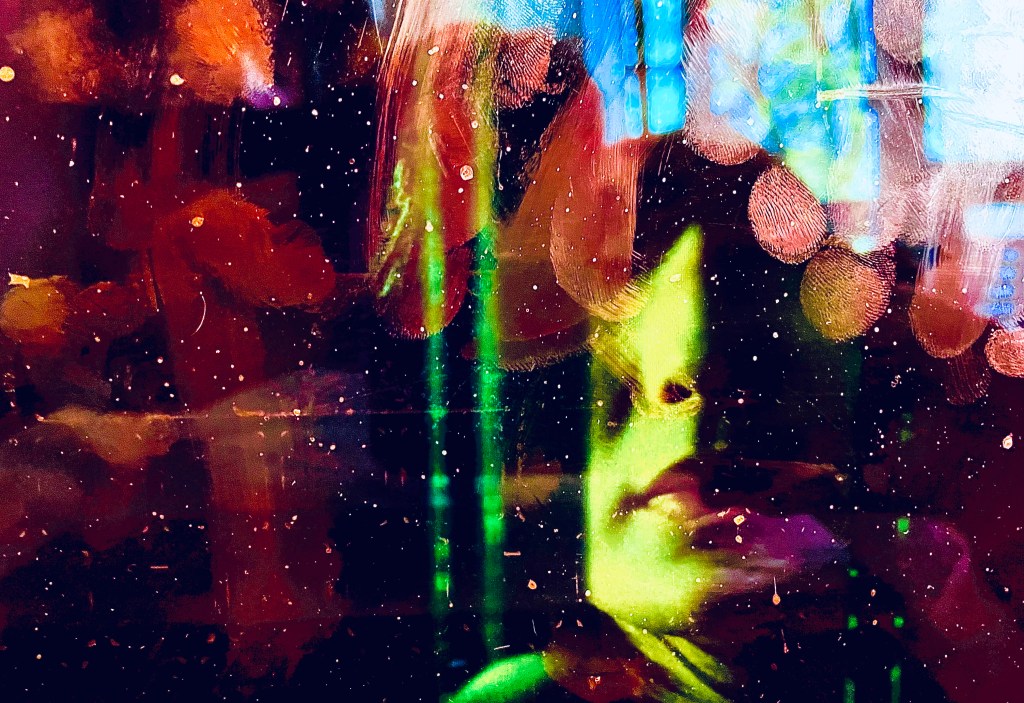
This year, instead of a candle, I danced: to feel my body ache with sweat and music, to free my head from the hurt that comes every June, feed memory with heartbeat and in solidarity with those still struggling. I wrote poems with my body instead in a darkened room, spoke with gestures in the air through the late night with my partner, a woman from Taiwan, as we swayed beneath the red lights and the ephemeral and for a few hours, there was nothing but music and love and embodied sound and the night for once seemed infinite and we moved into the light from the shadows and there was life and there was cadence and language was replaced by unthinking and we knew again one day there would be bliss and we all would be free.
阿飛 正傳
our days of being wild, again.
How to cite: Black, Robert. “Just Another Day: Robert Black.” Cha: An Asian Literary Journal, 4 Jun. 2023, chajournal.com/2023/06/04/robert-black.

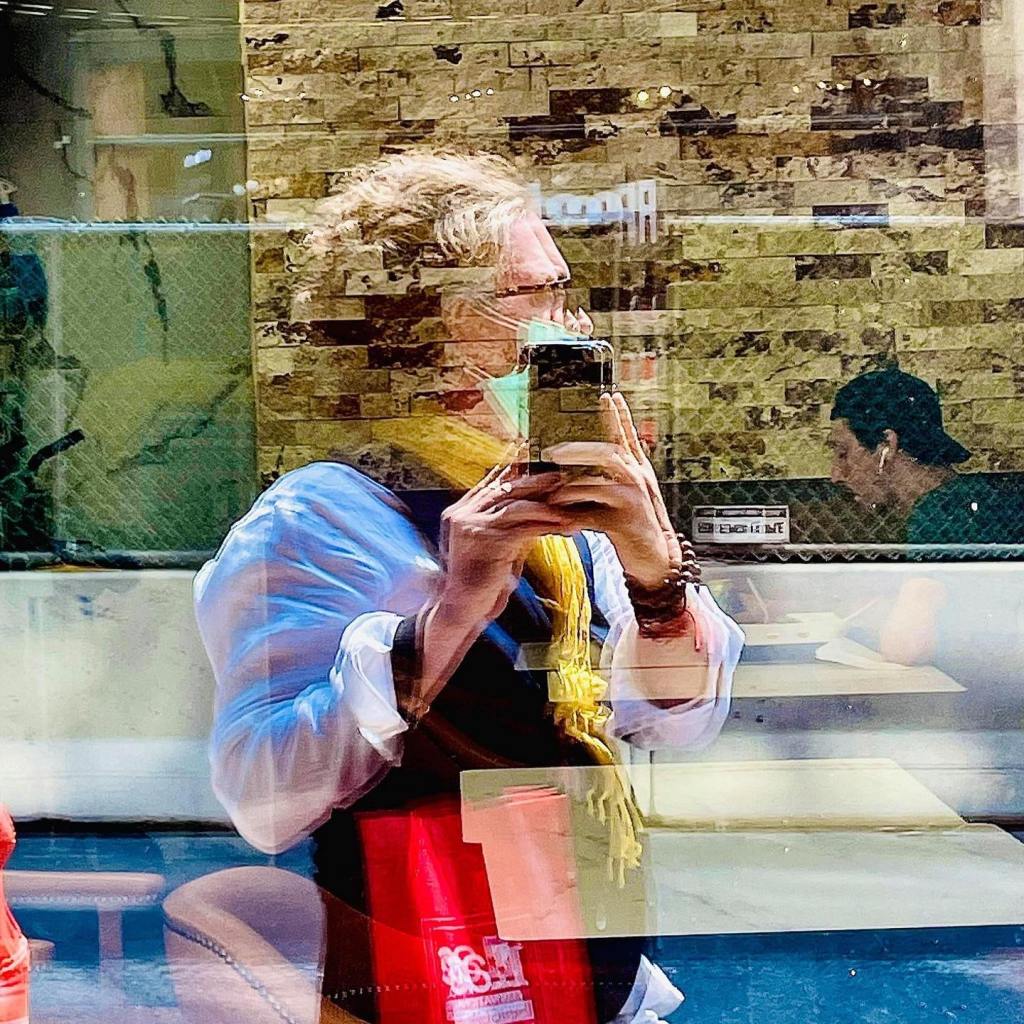
Robert Black is an award-winning poet and photographer currently residing in Toronto, having lived part of his childhood in Taiwan and Hong Kong before returning to the United States. His work often deals with themes related to language, transformation, and cultural divergence. [All contributions by Robert Black.]
 Cha
Cha 