

[ESSAY] “Wong Bar Wine: A Cinematic Oasis in Hanoi” by Zalman S. Davis
On a calm Monday evening, I found myself at 14B Hai Bà Trưng in Hanoi, drawn to a cosy corner on Tràng Tiền that radiated a warm, amber glow. Wong Bar Wine does not shout for attention; it quietly invites you to explore. In a city buzzing with energy and spectacle, this bar offers something rare: presence, focus, and a leisurely unfolding of experience.
Inside, fewer than a dozen patrons moved gently, the soft strains of jazz, perhaps a distant echo of Chet Baker, drifting through the air. The barlady greeted me with a nod, balancing warmth and discretion. Here, conversation is optional; observation is inevitable.
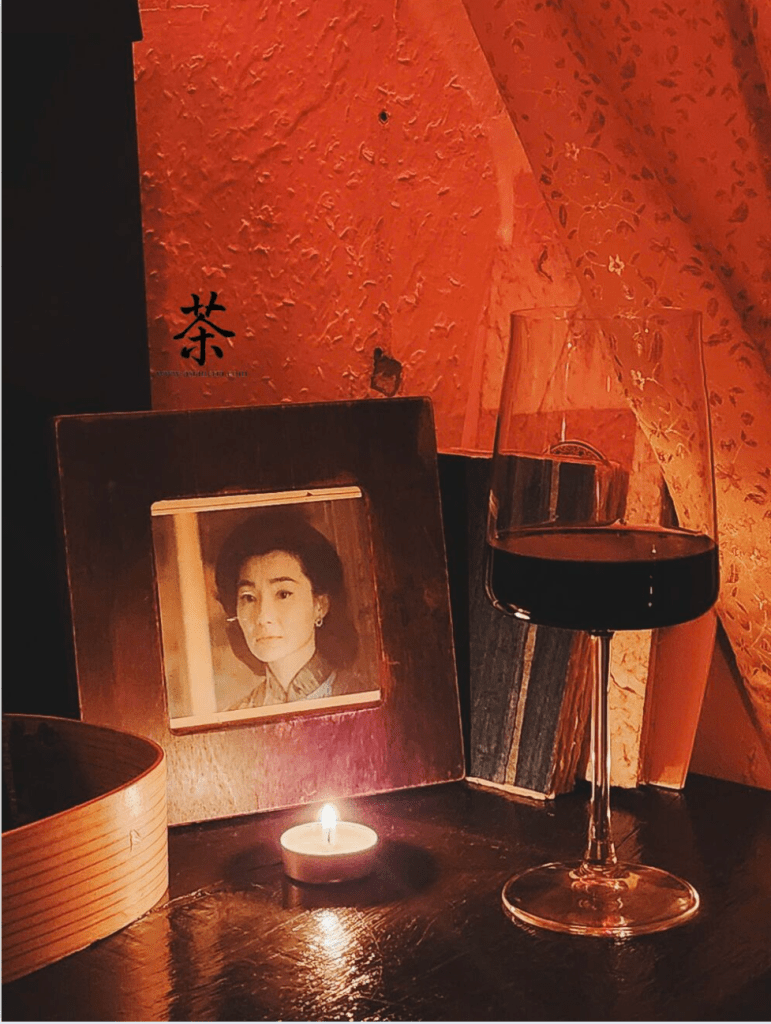
Every detail of the interior felt intentional. Amber light pooled over brocade fabrics, tracing patterns on the walls and furniture. Vintage radios perched on shelves, waiting to be rediscovered, while neatly aligned bottles on the back wall stood like sentinels. In this space, even the tilt of a glass or the adjustment of a cork carries significance. Wong Bar Wine is more than just a bar; it is a living scene where design, pace, and purpose come together.
The tribute to Wong Kar-Wai is unmistakable. His films, In the Mood for Love (2000) and 2046 (2004), capture urban solitude, memory, and desire through subtle gestures and evocative interiors. The bar channels this essence: patrons move instinctively, yet their surroundings shape their perceptions. Even a pause, a glance, or a tilted head becomes expressive. The warm lighting, thoughtful décor, and soft jazz create a three-dimensional cinematic moment brought to life.
I opted for a tasting flight: seven wines, each accompanied by a pamphlet for notes. The white hinted at pear with a whisper of smoke, while the red unfolded with warmth, distant spices, and measured structure. The focus here is on immersion rather than critique. In a city overflowing with options, this restraint feels luxurious.
Service reflects this philosophy. Attentive yet unobtrusive, the barlady orchestrates the flow of the space, allowing patrons’ movements to shape the rhythm. Two foreigners spoke softly while a local traced the curve of a glass. Each pour, sip, and cork adjustment contributed to a larger choreography. It is in this careful modulation of light, sound, and gesture that Wong Bar Wine reveals its character.
Simplicity is key. Its modest size naturally limits crowds; its minimal wine list encourages exploration rather than spectacle. The bar does not aim to dazzle; it aims to immerse. Patrons are invited to notice the overlooked, to pause, and to let the environment shape their experience.
The connection to the city is subtle yet palpable. Even from the street, amber light spills through the door, hinting at the intimate interior. The city’s movement and noise blend into the bar’s choreography, creating a flow of gestures and pauses. Here, urban life is not a spectacle; it is woven into the bar’s narrative.
What sets Wong Bar Wine apart is its restraint. Many contemporary bars rely on volume or novelty; here, attention is earned. A minimal menu, deliberate service, and carefully curated bottles all demand awareness. In return, the space offers full immersion: a study in rhythm, space, and emotional architecture.
The homage to Wong Kar-Wai extends beyond mood or aesthetics. His films explore perception, the resonance of gestures, and the emotional potential of space. Wong Bar Wine translates these ideas into hospitality. The lighting, jazz, choreography, and measured wine presentation cast patrons as characters in a living frame, with each sequence unfolding organically yet intentionally.
Even the tasting flight tells a story. Each pour emphasises texture, aroma, and subtle sensation over overt flavour, reinforcing the idea that nuance can be more compelling than abundance.
Stepping back into Hanoi, the memory of the bar lingered. The city’s rhythm continued, but the experience of Wong Bar Wine remained: proof that small, thoughtfully crafted spaces can leave profound emotional marks. Cinematic stillness here is not a spectacle; it emerges from precision, care, and attention. Every gesture, every detail contributes to an immersive, reflective experience.
For travellers and locals alike, Wong Bar Wine offers more than just wine; it offers presence. It rewards patience and observation, showing how design, service, and philosophy can converge into a cinematic experience that is quiet yet unforgettable.




How to cite: Davis, Zalman S. “Wong Bar Wine: A Cinematic Oasis in Hanoi.” Cha: An Asian Literary Journal, 4 Nov. 2025, chajournal.com/2025/11/04/wong-bar-wine.



Zalman S. Davis is active in South African literature, working as a publisher, literary curator, editor, and critic. As the founder of Minimal Press, Davis has established a platform that champions diverse voices across genres and languages, with an emphasis on quality storytelling and literary merit. He curates several literary awards, including the Ingrid Jonker: L’Art Poétique Prize for Poetry, the Chris Barnard Prize for Short Stories, and the Diana Ferrus Prize for Poetry in Afrikaans Dialects. These awards have drawing entries from across South Africa and internationally. Beyond his curatorial endeavours, Davis has contributed as an editor, overseeing the publication of various anthologies and literary collections, and ensuring that both emerging and established writers are afforded a platform to share their work. His dedication to literature and language was recognised in 2020, when he received the Koker Toekenning Award for his contributions to Afrikaans and South African letters. Davis’s commitment to the literary arts extends to his role as a critic, where his insights and analyses engage with contemporary South African writing. His work continues to enrich the cultural fabric of the nation—standing as a testament to the enduring power of storytelling across borders and tongues. [All contributions by Zalman S. Davis.]
 Cha
Cha 