
📁 RETURN TO FIRST IMPRESSIONS
📁 RETURN TO CHA REVIEW OF BOOKS AND FILMS
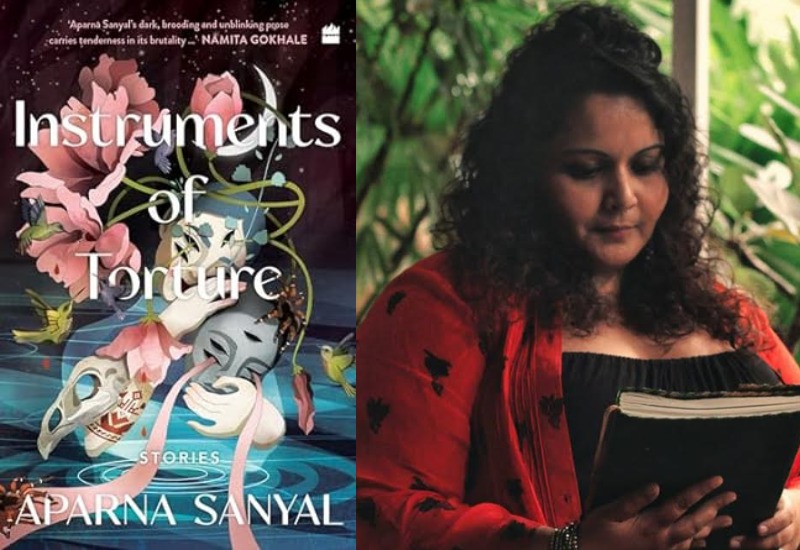
Aparna Upadhyaya Sanyal, Instruments of Torture, Harper Collins India, 2024. 200 pgs.
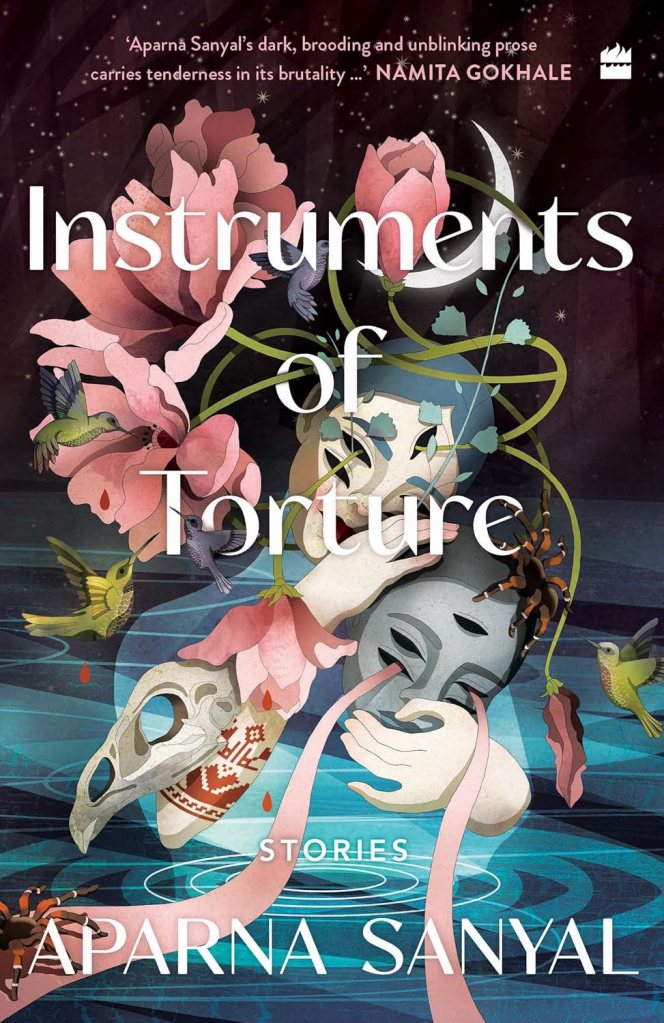
In this haunting collection of stories, each narrative is aptly named after a medieval torture device, metaphorically dissecting the psychological anguish that mirrors these ancient instruments of pain. The titles alone evoke a visceral reaction, their historical connotations of torment reverberating through the pages as each story unfolds. Aparna Upadhyaya Sanyal masterfully intertwines the physical brutality of these devices with the emotional and psychological torment experienced by the characters, creating a chilling parallel that lingers long after the last page is turned. The imagery of the rack, the iron maiden, and the breaking wheel serves not merely as grim reminders of humanity’s capacity for cruelty but as profound metaphors for the inner turmoil that resides within us all.
The book courageously delves into the murky waters of mental illness, physical and emotional abuse, rape, child abuse, and suicide, offering a stark, unflinching examination of the catalysts behind these harrowing experiences. With a narrative voice both empathetic and unyielding, the stories peel back societal taboos and personal shame, exposing the raw wounds beneath. Each tale plunges into the abyss of human suffering, portraying characters who are not just victims of their circumstances but also complex individuals grappling with the aftermath of their traumas. Sanyal’s exploration of these themes is not for the faint-hearted, but for those willing to confront the darkest aspects of the human condition, the reward is a richer understanding of the profound impact of trauma.
◯
“He was so tiny, this little red infant.”
—p. 3, “The Rack”
◯
The characters span a wide range of ages, from children to teenagers, adults to senior citizens. The horrors of their lives are gradually unveiled, allowing readers to absorb the enormity of their experiences, layer by layer, much like peeling an onion. The descriptions are raw and visceral, with some passages inducing discomfort, compelling readers to momentarily pause, yet the powerful writing irresistibly draws them back.
Sanyal’s debut work was a poetry collection, followed by this compilation of short stories. Her lyrical prose showcases her mastery of brevity and poignant expression.
◯
“Time flew by on uneven, turbulent wings.”
—p. 128, “The Phalaris Bull”
◯
As readers navigate this labyrinth of sorrow and resilience, the stories transcend mere recounting of pain to serve as mirrors reflecting the unspoken realities of mental and emotional anguish. The collection’s unflinching gaze does not shy away from the grotesque or uncomfortable but beckons readers to bear witness to the silent screams and invisible scars defining the lives of society’s marginalised. In its courageous examination of these themes, the collection evolves into a powerful commentary on the human spirit’s capacity to endure and, ultimately, seek redemption amidst the shadows. Each meticulously crafted narrative challenges readers to empathise, reflect, and comprehend the depths of despair and the flickers of hope that define the human experience.
Sanyal begins her storytelling with critical trigger points, meticulously tracing the events leading up to them. This narrative structure not only captivates readers but also provides a profound exploration of how trauma shapes identity. From an anguished man subjected to hormone treatments to “cure” his dwarfism to a forbidden love blossoming in a sacred place, each tale unveils the raw and often brutal reality of human suffering and its psychological toll.
The book excels in its aim to examine how traumatic events mould human identity. With a deft touch, Sanyal navigates the labyrinthine corridors of the human psyche, revealing the indelible scars left by profound suffering. Each story attests to the notion that trauma is not merely an event but a relentless force that leaves its mark on the very essence of one’s being. The characters, fragile yet resilient, are portrayed with such authenticity that their pain becomes tangible, their struggles haunting echoes in the reader’s mind.
Rather than presenting a simplistic view of choice and resilience, the book argues that relentless torment can cloud the mind, distorting reality and obscuring alternatives. This exploration of mental anguish becomes a broader commentary on societal pressures and stigmas exacerbating inner battles. The medieval torture devices, serving as both literal and metaphorical instruments of pain, cleverly juxtapose the physical and psychological, underscoring the idea that true torture lies in the unseen wounds of the soul. Sanyal’s eloquent prose weaves these themes into a tapestry of despair and resilience, resonating deeply with readers.
Through this intricate dissection of the human condition, the book challenges readers to reconsider perceptions of trauma and choice. While some may view life as a series of choices, others confront trauma as an insurmountable barrier distorting reality and limiting perceived options. The stories compel readers to question assumptions about resilience and recovery, urging a compassionate understanding of those navigating the aftermath of trauma. In doing so, the collection not only illuminates the complexities of human suffering but also offers a glimmer of hope, suggesting that even in the darkest corners of the mind, healing and transformation remain possible.
By holding a mirror to the subconscious, these stories force readers to confront the darkest corners of the human psyche. The mirror reflects not just surface realities but intricate, painful layers beneath, revealing unadorned truths. The characters, tormented by their pasts, become vessels through which readers explore their own concealed traumas and unspoken truths. This mirror, in its stark honesty, becomes the ultimate instrument of torture, exposing both the scars we bear and the wounds we inflict upon ourselves.
This literary device transcends mere metaphor, becoming a powerful tool to examine the duality of human experience—the light of hope against the shadow of despair, the potential for redemption against the inevitability of suffering. Each story acts as a prism, refracting trauma and resilience into multifaceted narratives that compel readers to reflect deeply.
Instruments of Torture is not merely a collection of stories but a profound exploration of the human condition. It is a must-read for those who dare to confront the realities of psychological trauma and its enduring impact on the human spirit.
How to cite: Namrata. “Labyrinthine Corridors of the Human Psyche: Aparna Upadhyaya Sanyal’s Instruments of Torture.” Cha: An Asian Literary Journal, 14 Jan. 2025, chajournal.blog/2025/01/14/instruments.


Namrata is the editor of Kitaab, a South Asian literary magazine based in Singapore, and the founder of Keemiya Creatives, a literary consultancy where she works with authors and publishers in various capacities. Namrata also hosts the Bookbot Theory, a podcast on book-marketing which aims to help authors make their books sell. A published author, an independent editor and a book reviewer, she enjoys writing stories and think-pieces on travel, relationships, and gender. She is a UEA-India chapter alumnus and has studied travel writing at the University of Sydney. Her writings can be found on various sites and magazines, including Kitaab, the Asian Review of Books, Contemporary South Asia Journal of King’s College-London, Mad in Asia, The Friday Times, The Scroll, Feminism in India, The Brown Orient Journal, Inkspire Journal, Moonlight Journal, The Same, Chronic Pain India and Cafe Dissensus. Her short stories have been a part of various anthologies and she has also published two short story collections of her own. Namrata is currently working on her debut novel. [All contributions by Namrata.]
 Cha
Cha 