
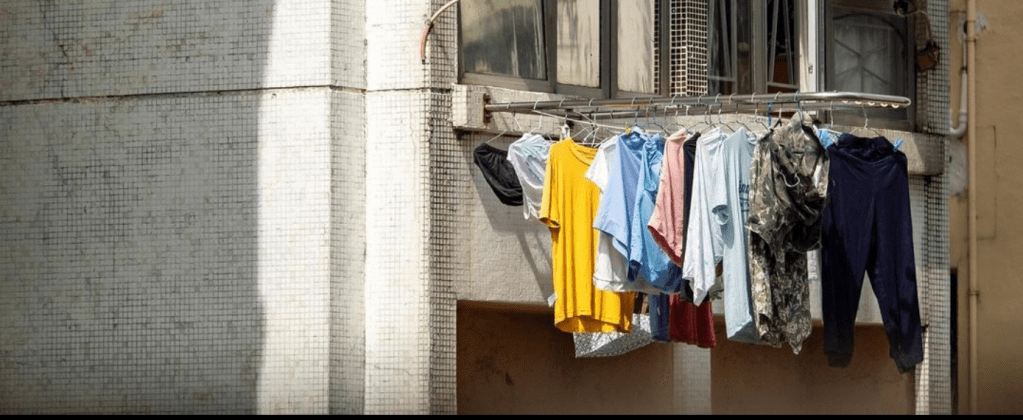
In Laundry City, all life began with the shirt. The rest was optional. Mustard types of men frequently wore that, believing they were invisible, and shame was the weight of a t-shirt. Houses were made of expensive washable elephant hides, the camel’s and leopard’s if one were not as rich, and washerwomen got busy flattening the roofs and scrubbing the walls on national cleaning days. At nights, when the waterways and pipes shut down, dresses and skirts were removed and stacked on the roadsides by the workers. Any crimes committed by the jeans were forgiven, the laws made of wool spun from the peripheral steppes of Mongolia, free flowing as gold. Money was gendered. Cotton coins reserved for women, man-only waterproof bills manufactured from the fabric of female underwear, the prime minister’s face greying in the centre like every other currency. When a war arrived, big or small, flags were sewn with children’s singlets, as declarations of surrender or victory, hung outside factories or embassies or schools. The old were naked.
In Laundry City, some women were forced to strip. Those who were clever turned their coins into bills using their underwear, soiled as a distraction, and got away with it. The stripped ones were poor and sad and multicultural, they hid in their organza or cellophane rooms. But the landlords sold them out: “There, that one, and that one, crouching at the corner,” they said. T-shirted and shirted men came, the only difference between them was the latter wore nylon masks and different colours of jeans, black or navy blue, they were afraid of police and cameras. The shirted men said provocative things like, “She has bigger breasts,” “She has a slenderer waist,” and so on. Most didn’t talk about the faces. Some stripped women fought back, some lazed around. They only had nails, fists, teeth and tongue, no clothes or belts to help them, so alas, the shirted men, who were after all invisible, won the internal, undeclared war.
In Laundry City, everything was washed away at the end of the month. Blood, piss, sperm, sweat, smells. It was a clean and wealthy city. Soap makers and water recyclers were the richest of all. They lived in feathered houses, and sent for dry-cleaning services. They drove Mercedes.
How to cite: Ko, Meiko. “The Laundry City.” Cha: An Asian Literary Journal, 10 Jun. 2023, chajournal.blog/2023/06/10/meiko-ko.
Header image by Oliver Farry.

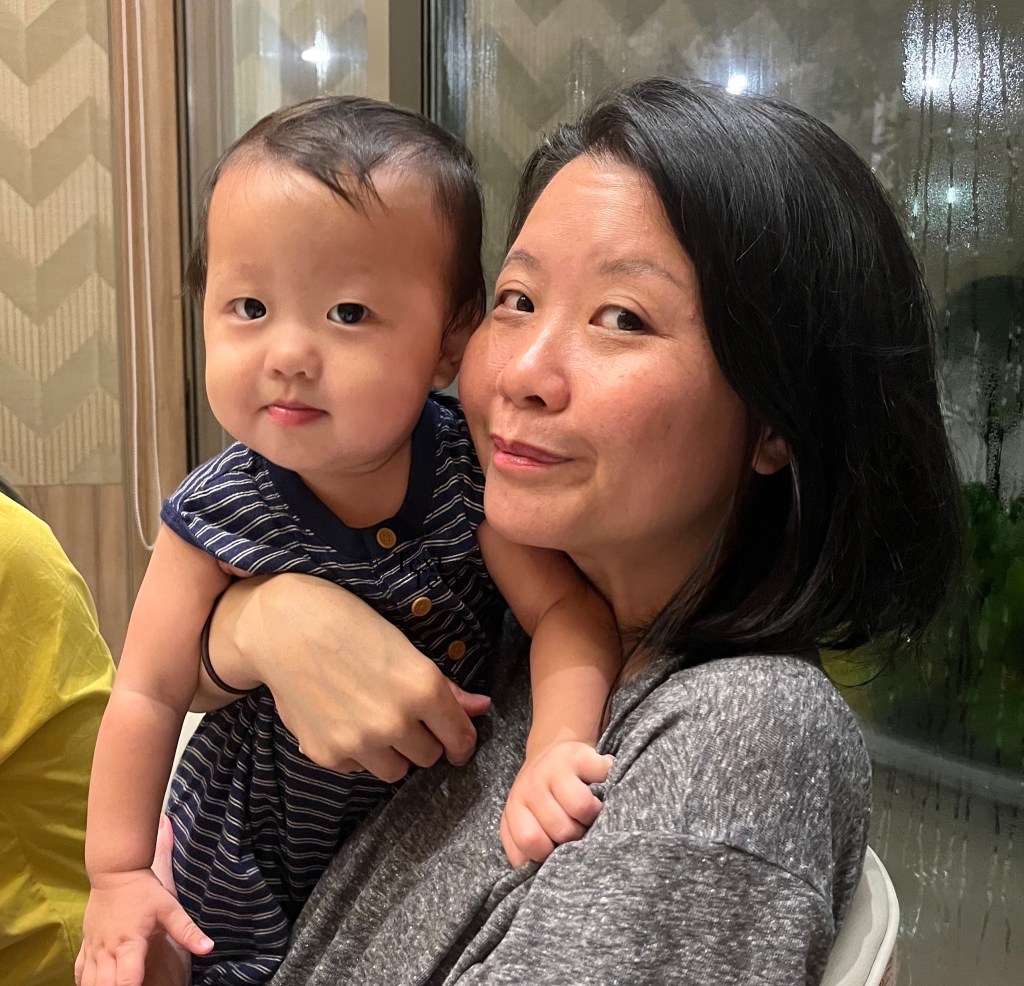
Meiko Ko‘s works were published in Juked, The Offing, Scoundrel Time (Pushcart nomination), Longleaf Review (Best Small Fictions nomination), among other places. She was long-listed for the 2017 Berlin Writing Prize and a finalist for the 2020 Puerto del Sol Contest. Her writing has received support from Vona and Kenyon Review workshops. She can be found on Twitter and Facebook.
 Cha
Cha 