


On a hot day in July 2022, far from Hong Kong and far from Beijing, I had the privilege of taking part in a tour of the 1863 Bear River Massacre site in southern Idaho in the United States led by Darren Parry, a former Chairman of the Northwestern band of the Shoshone.
The massacre site is in the northern part of the Cache Valley—a beautiful lush farming area in northern Utah and Idaho surrounded by mountains on both sides, somewhat reminiscent of Switzerland.
In that area on 29 January 1863, Colonel Patrick Conor of the US military came to the Shoshone tribe, which was camped out for the frigidly cold winter near the Bear River. Chief Sagwitch, their leader, woke up and went out to negotiate, which he had done many times before.
But Conor ordered an indiscriminate slaughter, which took several hours to carry out. Many people jumped in the river to try to escape. One woman, Anzee-Chee, jumped into the river with her baby and swam to a part of the hot springs area that had an overhang where troops could not find her. She found 10 other women there. When her baby cried, she drowned it rather than give up their collective position.
As Darren told us, one witness said you could “walk on the bodies of dead Indians for a quarter of a mile without your foot touching the ground”.
In total, well over 400 people died that day. Parry’s grandmother, Mae Timbimboo Parry, worked tirelessly with an “unbreakable spirit” to take down accounts of the massacre, finding other sources from diaries, and lobbying Congress more than 10 times to change the narrative, which had been deliberately misremembered and mis-memorialised. Parry has made it his life’s work to correct the historical record and bring about remembering and reconciliation.
Parry’s main messages were simple: it is that Native Americans are not something to be talked about in the past tense; we’re still here and we’re resilient.
The people who died on that spot have a God-given right for their story to be told.
My mind returned to Beijing, and to Hong Kong, where commemorations to remember victims of state violence are no longer permitted.
We, or at least those of us from the United States, where a tense geopolitical battle with China is getting more intense and depersonalising by the day, should be humble in keeping in mind that our ancestors, too, engaged in violence so unnecessary and so barbaric against innocent human beings that it becomes almost unspeakable to the conscience. Our ancestors, too, enacted forced collective amnesia on the public to soothe their guilty souls. But we should also keep in mind that the people with “unbreakable spirits” will continue to strive for the truth. The stories of the dead will eventually be heard, no matter how long it takes.
How to cite: Nee, William. “Just Another Day: William Nee.” Cha: An Asian Literary Journal, 4 Jun. 2023, chajournal.blog/2023/06/04/william-another-day.

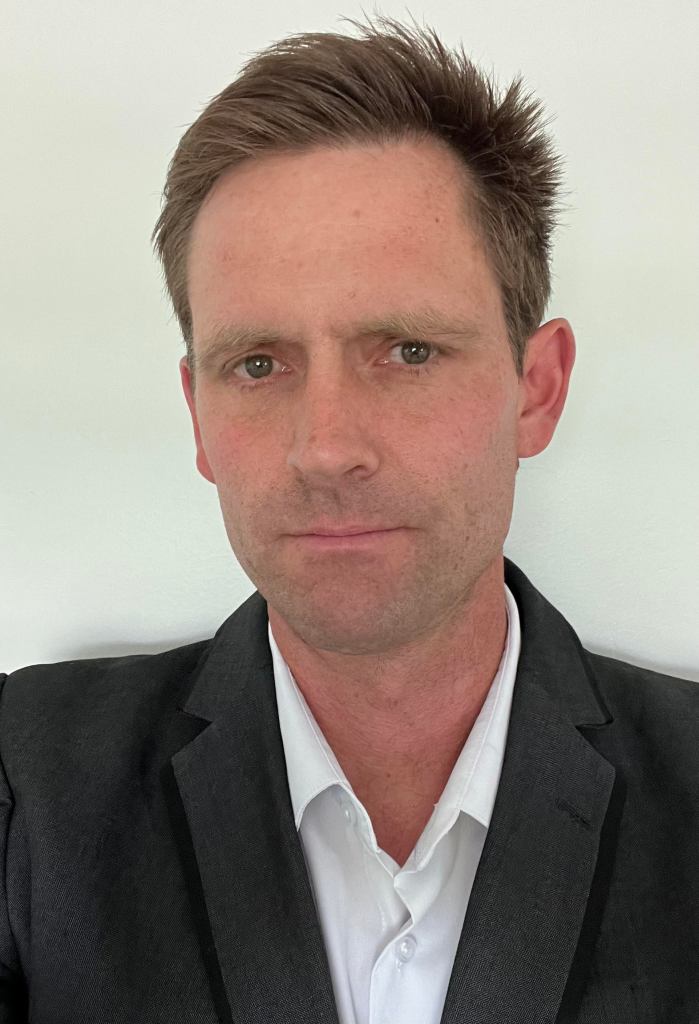
William Nee is the research and advocacy coordinator for the Network of Chinese Human Rights Defenders and a member of the Logan Tabernacle Interfaith Events Committee in Utah. His research focuses on freedom of expression, freedom of religion, criminal justice, and the death penalty. [William Nee and chajournal.blog.]
 Cha
Cha 