
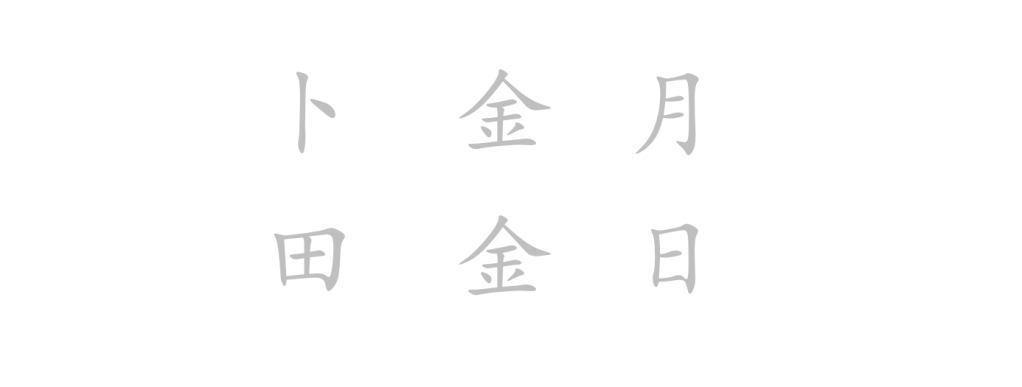

On 21 May 1936, the novelist Mao Dun, along with some media colleagues, published a project they called “One Day in China [中国的一日]“. Depending on how you read the Chinese, it was intended to highlight the unity of a then-fractious “China,” or to demonstrate the endless variety of “one day.” Perhaps both. What the project did exhibit was the diverse ways those who contributed lived the spatiality and temporality of a randomly chosen day. An everyday.
June 4th is of course not a random day, in China or elsewhere. It signifies very densely, especially perhaps for those who remember the China of 1989, but in addition, for anyone who cared then or now about the prospects for the socialist projects just then unraveling around the world. Ever since that day in 1989, June 4th has never been “just another day” even though, at the same time and as a quotidian matter of variety and routine, it has also always been “just another day.”
This year on June 4th, I am newly arrived in Hong Kong from New York. It was an exhausting trip: the previous non-stop flight options are now no longer available because, on this year’s June 4th, Russia is still invading the Ukraine and the fastest way I could get to Hong Kong from New York was with a stop in Japan. We were delayed out of New York. I am meeting friends this morning for dim sum and then other friends later for a late-afternoon stroll and dinner. I expect there will be no public shows of solidarity with the students of 1989 as there had been in the past. There might be private commemorations, held behind closed doors, although the Hong Kong government has not been clear about whether private events are to be considered illegal under the recently-imposed National Security Law. I have not been in Hong Kong since the eve of the 2019 demonstrations and the subsequent political crack-downs and pandemic so this is a city and a society with which I am no longer familiar. I do not know where to look for the tensions that must be roiling among some fractions of social and political life, whether because of 1989, 2019, 2014 or just some other day or year. What I feel then, today, is “just another day” of humid early summer, ambling along under its oppressive heat cloud in its pedestrian ordinariness, masking in its quotidian way the enduring pain, disinterest, or contempt of those whose lives are lived in the long shadows of significations.
How to cite: Karl, Rebecca E. “Just Another Day: Rebecca E. Karl.” Cha: An Asian Literary Journal, 4 Jun. 2023, chajournal.blog/2023/06/04/rebecca-karl

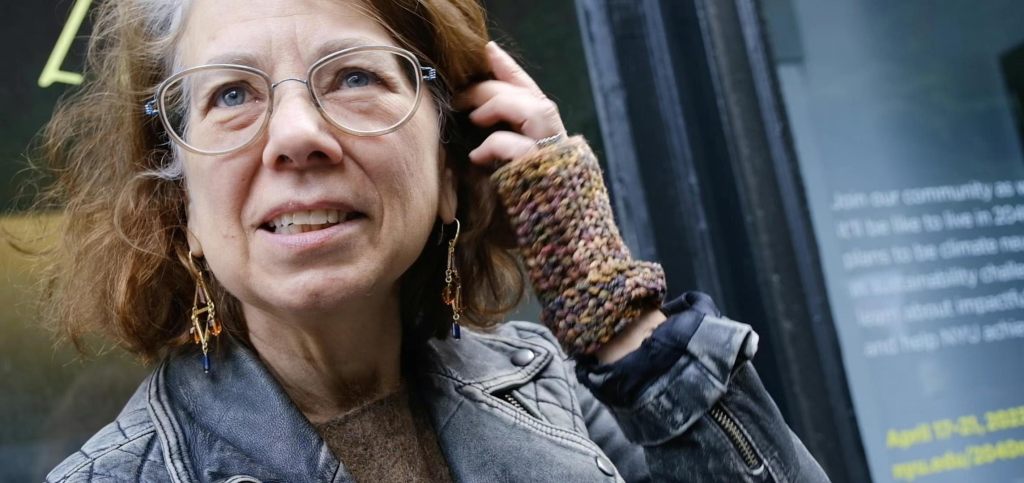
Rebecca E. Karl teaches modern History at New York University in NY. Her most recent book is: China’s Revolutions in the Modern World: A Brief Interpretive History (Verso 2020). She is a co-founder of the Critical China Scholars collective and co-editor on positionspolitics.org.
 Cha
Cha 